
A small hatchback can be the sensible choice for dense city traffic, while a compact SUV or MPV may justify its higher price through space and flexibility.
Which Maruti Suzuki cars suit first-time buyers?
Maruti Suzuki cars has one of India’s broadest passenger-car portfolios, so value depends less on choosing the cheapest model and more on matching the vehicle to daily use. The Alto K10 and S-Presso prioritise compact dimensions, light controls, and accessible ownership. They are easier to park and can suit short urban commutes. Buyers should compare rear-seat space, luggage needs, highway frequency, and desired safety features rather than relying only on the starting price.
The Celerio and WagonR add cabin space and practical access. CNG variants may suit high monthly running where fuel availability is dependable, but boot-space compromises and the higher initial cost should be considered.
Which hatchbacks balance comfort and features?
The Swift offers a lively, easy-to-drive character, while the Baleno provides a wider cabin and a more premium experience. Manual versions can suit buyers who want control and lower entry cost; automated manual or automatic options reduce effort in traffic.
The Dzire adds a separate boot and sedan-style rear-seat experience. It can work well for small families and frequent intercity travel without moving to a larger vehicle.
Which Maruti Suzuki SUVs deliver practical value?
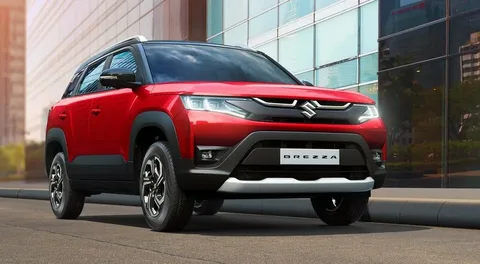
The Fronx blends hatchback-like manoeuvrability with crossover styling. The Brezza provides a more traditional compact-SUV package with a higher seating position. The Grand Vitara and Victoris move into a larger category with more space, equipment, and powertrain choice.
Buyers comparing new cars should examine actual rear-seat comfort, boot use, ground clearance, automatic availability, and fuel type. A higher trim is valuable only when its added equipment will be used regularly.
Which models work for larger families?
The Ertiga is the value-focused seven-seat choice and suits family transport, while the XL6 offers a more premium six-seat layout with captain seats. The Invicto targets buyers seeking a larger, more refined people mover.
Third-row comfort and boot space with all seats raised vary widely. Take every regular passenger to the test drive and try the seat-folding process before booking.
How should you compare petrol, CNG, hybrid, and automatic options?
Petrol is convenient for mixed use and lower annual running. CNG can reduce fuel expense for frequent drivers but may affect luggage flexibility. Strong-hybrid systems can be efficient in urban traffic, although the purchase price is higher.
Automatic transmissions improve convenience but differ in smoothness and cost. Test the exact transmission in slow traffic, inclines, and parking situations.
What makes a Maruti Suzuki model good value?
Consider purchase price, insurance, fuel, service, tyres, resale expectations, feature use, and the cost of financing. Choose the smallest vehicle that comfortably meets your real needs, not an imagined occasional requirement.
The strongest value comes from a model and variant that remain comfortable, affordable, and useful throughout ownership. Compare two or three closely matched options rather than searching for one universal best car.
A practical final view
Shortlist by body style, passenger needs, fuel choice, and total ownership cost. The right Maruti Suzuki is the one that meets daily requirements without paying for unused size or equipment.
Match the body style to your routine
A car that looks attractive in a showroom may not suit the owner’s daily environment. Consider parking width, turning space, rear-seat access, boot use and the number of regular passengers. City users may prioritise visibility and easy controls, while highway users may place more value on stability, seat support and overtaking performance.
Choose the powertrain around annual running
Petrol usually suits lower or mixed usage, CNG can appeal to high-running buyers with reliable fuel access, diesel can remain relevant for heavy highway use, and strong hybrids can reduce consumption in stop-start conditions. The purchase decision should also account for boot space, fuel availability, maintenance expectations and local regulations.
Compare variants by useful features
Do not pay for equipment that will rarely be used. Prioritise safety, visibility, climate comfort, seat adjustment, smartphone connectivity and parking aids. A mid variant can be sensible when it covers these essentials, while a higher trim may suit buyers who genuinely value premium audio, larger screens, advanced driver assistance or a sunroof.
Look beyond the purchase price
Insurance, registration, fuel, scheduled service, tyres, parking and depreciation form part of ownership. Obtain an itemised quotation and ask for the service schedule. A cheaper variant can cost more over time if it uses a less suitable fuel or lacks a feature that the owner later adds through accessories.
Questions to answer before booking
- Is the seating position comfortable for every regular driver?
- Can the car handle your usual parking and turning spaces?
- Does the chosen fuel have dependable availability on your routes?
- Are the safety and convenience features present on the exact variant?
- What is the itemised ownership cost over the first three years?
| Buyer need | What to compare |
|---|---|
| Daily city use | Dimensions, visibility, automatic convenience |
| Family travel | Rear-seat comfort, boot space, safety |
| High annual running | Fuel type, efficiency and service costs |
| Feature priority | Variant-specific equipment |
| Long ownership | Warranty, service reach and resale factors |
A balanced way to shortlist
Begin with the non-negotiables: budget, passenger capacity, fuel availability, transmission preference and regular route. Remove variants that miss any of these requirements. Then compare the remaining choices on safety, comfort, running cost and after-sales support. This order prevents cosmetic features from dominating a decision that will affect daily life for several years.
A showroom visit should confirm more than appearance. Sit in every row, adjust the driver’s seat and mirrors, test phone connectivity, inspect the spare-wheel arrangement and check luggage space with the seats in the positions you will normally use. Ask for the exact manufacturing month and verify that the quotation reflects the chosen colour, variant and optional equipment.
Final takeaway
The right choice is the one that remains affordable and useful after the excitement of purchase has passed. Use verified specifications, an itemised quotation and a proper test drive. Where figures can change, confirm the latest details with the manufacturer, authorised dealer or regulated lender before committing.
How should family size influence the shortlist?
A car that works for two people may feel cramped with child seats, grandparents and luggage. Take regular passengers to the showroom, set the front seats to usual positions and test the rear bench. For seven-seat models, check access and boot space with the third row raised. Buying excess seating capacity also increases cost and size, so match it to real use.
What ownership advantages should be valued realistically?
A broad service network and accessible parts can reduce inconvenience, but service quality still varies by location. Speak with owners in your city, review the workshop distance and ask for standard maintenance estimates. Resale value is useful, yet it should not justify buying a car that is uncomfortable or unsuitable during ownership.
Before finalising a Maruti Suzuki car
- Take separate city and highway test drives.
- Compare exact variant safety features.
- Check waiting period and manufacturing month.
- Obtain an itemised on-road quotation.
- Estimate five-year fuel and insurance costs.
- Inspect the spare wheel and tyre specification.
How should the final decision be documented?
Keep a simple comparison sheet containing the assumptions, quotations, test-drive observations and recurring costs used in the decision. Written notes prevent a later offer or showroom conversation from changing the basis of comparison. Recheck the figures immediately before booking because prices, rates, features and availability can change.