
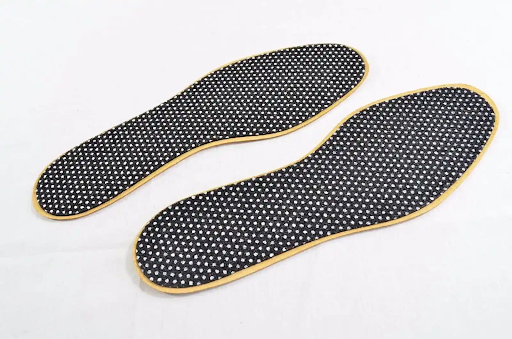
Comfortable orthotic wear depends partly on choosing footwear with enough space and support. Shoes with removable insoles can be particularly useful because removing the original footbed creates additional depth for an orthotic. Suitable footwear should also provide adequate width, a secure fit and supportive construction. Understanding these features can make it easier to find shoes that accommodate orthotics comfortably during walking, standing and other everyday activities.
Why Do Orthotics Need Enough Space?
Orthotics occupy additional space inside footwear. Adequate depth and width allow the orthotic and foot to sit comfortably inside the shoe while maintaining a secure fit. Removing a factory insole can create extra depth. Some people may also require wider or slightly larger footwear, depending on the orthotic and individual foot shape.
What Makes Removable Insoles Useful?
Removable insoles provide flexibility when fitting an orthotic inside everyday footwear. They can create additional internal space while helping the foot remain at a suitable height.
Their practical benefits include:
- Extra depth: Removing the original footbed creates more space for an orthotic.
- Comfortable fit: Additional room helps accommodate both the foot and orthotic.
- Reduced crowding: Suitable depth provides more room around the toes and upper foot.
- Easy adjustment: Orthotics can be transferred between compatible pairs more easily.
- Greater choice: Removable footbeds can make various footwear styles suitable for orthotics.
These benefits make removable insoles useful, although overall shoe width, depth, and construction remain equally important.
How Should You Choose Shoes for Orthotics?
Footwear and orthotics need to work together comfortably. Taking your orthotics when shopping lets you assess fit accurately before choosing a pair.
Useful footwear features include:
- Roomy toe box: Provide enough width and depth for comfortable toe movement.
- Supportive sole: Choose a stable sole that provides appropriate support.
- Secure heel: Look for a supportive heel area that holds the foot securely.
- Adjustable fastening: Laces, straps or similar fastenings can improve fit.
- Removable insole: Choose shoes with removable insoles when you need extra depth.
Trying footwear with your orthotics in place provides the clearest indication of comfort and overall fit.
When Can Professional Footwear Advice Help?
Professional guidance can be useful when an orthotic has specific fitting requirements. An orthotist or podiatrist can assess whether footwear provides appropriate space, support and stability.
Podiatrist recommended shoes may include features suited to individual requirements. Recommendations can vary based on foot shape, orthotic design, and everyday activities.
What Else Should Orthotics Wearers Consider?
The shoe should remain secure around the heel while providing sufficient space around the toes. A deeper upper can also help accommodate the extra space an orthotic requires. Wearing the socks normally used with the footwear during fitting can provide a more accurate assessment. Regularly checking the fit can also help maintain everyday comfort.
Conclusion
Choosing suitable footwear can make wearing orthotics more comfortable and practical. Shoes with removable insoles offer added flexibility because you can remove the original footbed to create extra depth when needed. Adequate width, toe space, supportive soles and adjustable fastenings are also valuable features. Trying footwear with the orthotics in place provides a reliable way to assess fit, while professional advice can help when individual fitting needs require extra attention.