
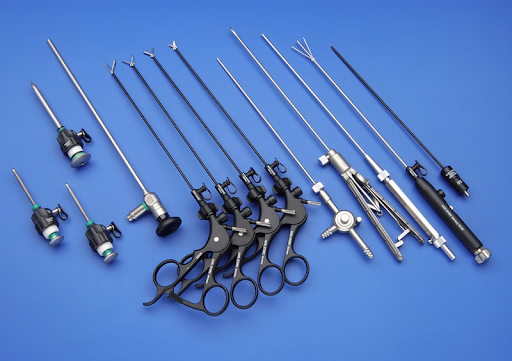
Laparoscopic surgery requires specialized instruments designed for precision, controlled movement, and minimally invasive procedures. When hospitals, clinics, and medical distributors compare the laparoscopic instruments price, they may find considerable differences between products that appear similar.
These variations are influenced by several factors, including material quality, instrument design, manufacturing precision, functionality, sterilization requirements, certifications, customization, and order quantity. Understanding these factors can help healthcare buyers evaluate instruments more effectively and select products based on quality, performance, durability, and long-term value rather than focusing only on the initial cost.
What Are Laparoscopic Surgical Instruments?
Laparoscopic instruments are specialized surgical tools used during minimally invasive procedures. They generally feature long shafts and specially designed working ends that allow surgeons to perform procedures through small incisions.
Different procedures require different instruments. Common examples include graspers, dissectors, scissors, needle holders, clip applicators, trocars, cannulas, suction instruments, and electrosurgical tools. Each instrument has a specific function, and its construction, mechanism, and materials can affect its overall cost.
Because these instruments are used in demanding surgical environments, buyers need to consider more than appearance. Construction quality, precision, sterilization compatibility, and expected service life are important parts of the purchasing decision.
1. Material Quality
The material used to manufacture a laparoscopic instrument can have a significant effect on its cost. Medical-grade stainless steel is commonly preferred because instruments need to withstand frequent handling, cleaning, and sterilization.
High-quality materials can provide better resistance to corrosion, wear, and repeated sterilization. Instruments made with appropriate materials are also more likely to maintain their structural integrity over time.
Although higher-grade materials can increase the initial purchase cost, they may provide better long-term value by supporting durability and consistent performance.
2. Manufacturing Precision
Precision is particularly important for laparoscopic instruments because surgeons need controlled movements during minimally invasive procedures. Components such as shafts, handles, joints, gripping tips, and cutting edges must work accurately together.
Manufacturing processes such as machining, polishing, finishing, and inspection require specialized equipment and skilled workmanship. Greater attention to precision can therefore influence production costs.
3. Instrument Type and Complexity
Not every laparoscopic instrument requires the same manufacturing process. A basic grasper may have a relatively straightforward design, while specialized instruments can involve more complex mechanisms and components.
For example, needle holders require reliable gripping surfaces for suturing, while clip applicators are designed to facilitate controlled clip placement. Vessel-sealing and electrosurgical instruments can involve additional engineering requirements.
The more specialized the instrument, the more manufacturing stages and components may be involved. This can contribute to differences in pricing between individual products.
4. Reusable Construction
Reusable laparoscopic instruments are designed to withstand repeated cleaning and sterilization. This requires suitable materials, strong construction, and finishing that can tolerate repeated processing.
Hospitals should therefore consider whether an instrument is compatible with their existing sterilization procedures. An instrument with greater durability may have a higher initial cost but can provide value over multiple procedures.
5. Ergonomic Design
Ergonomics can also influence the value and manufacturing cost of a laparoscopic instrument. Surgeons depend on controlled movements, comfortable handles, and reliable gripping mechanisms during procedures.
Features such as handle design, smooth operation, balanced construction, shaft rotation, and controlled jaw movement can contribute to better handling.
More refined ergonomic designs may require additional engineering and manufacturing attention. Buyers should therefore evaluate whether the instrument’s design matches the requirements of the intended procedure.
6. Certifications and Quality Control
Medical instruments require appropriate quality-management processes because they are used in healthcare settings. Certifications and documented quality procedures can involve testing, inspections, traceability, and controlled manufacturing practices.
These requirements can contribute to manufacturing costs but can also provide buyers with greater confidence when sourcing surgical instruments.
7. Complete Instrument Sets
Some healthcare organizations prefer purchasing complete laparoscopic sets instead of selecting individual instruments. A complete set may include graspers, scissors, dissectors, needle holders, trocars, cannulas, clip applicators, and other tools required for particular procedures.
The laparoscopic instrument set price can depend on the number of instruments included, their specifications, material quality, intended applications, and customization requirements.
Buyers should always examine the contents of a set before comparing quotations. Two sets with similar descriptions may contain different instruments or specifications, resulting in different overall values.
8. Customization Requirements
Customization can affect the final procurement cost. Hospitals and distributors may require specific combinations of instruments, packaging arrangements, labeling, documentation, or branding.
OEM and private-label orders can involve additional production planning, packaging, quality checks, and documentation. The final quotation may therefore depend on the exact requirements and order volume.
Customization can nevertheless help buyers avoid purchasing unnecessary instruments and create sets suited to their specific surgical requirements.
9. Order Quantity
The number of instruments being purchased can also influence commercial pricing. A hospital purchasing a small quantity may have different pricing from a distributor placing a larger recurring order.
Bulk procurement can allow manufacturers to streamline production, packaging, inspection, and logistics. Buyers should therefore request quotations based on their expected purchasing volume.
For distributors and healthcare organizations, maintaining consistent specifications across repeat orders can also simplify inventory management and future procurement.
10. Packaging and Export Requirements
Packaging becomes especially important when instruments are supplied internationally. Proper packaging helps protect products during storage and transportation.
Export orders may involve additional labeling, documentation, packaging, and logistical requirements. Destination markets can also have specific regulatory or documentation expectations.
Conclusion
The laparoscopic instruments price depends on several interconnected factors rather than a single production cost. Material quality, precision manufacturing, instrument complexity, ergonomic design, sterilization compatibility, certifications, customization, order quantity, packaging, and supplier support can all affect the final quotation. For hospitals, clinics, and distributors, evaluating these factors together provides a clearer understanding of overall value. A reliable purchasing decision should balance initial expenditure with product quality, durability, functionality, and long-term usability.
With extensive industry experience and a strong focus on quality, Salwan Surgicare manufactures and supplies laparoscopic instruments for hospitals, clinics, surgical centers, and distributors. They provide individual instruments and customized sets with OEM and private-label support. Their services include export-ready packaging, procurement assistance, documentation support, quality-controlled manufacturing, and bulk-order solutions. With CE and ISO certifications, they focus on dependable products and consistent supply for healthcare organizations seeking reliable laparoscopic instrument solutions across domestic and international markets.