
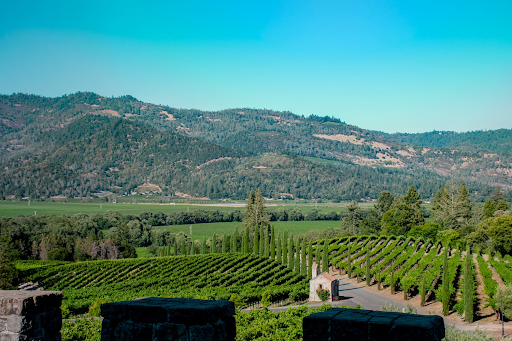
There is no shortage of Napa Valley travel content. What there is a shortage of is honest Napa Valley travel content — guides that acknowledge the tasting fee inflation, the appointment-only culture, and the fact that not every famous label is producing wines worth the premium, alongside genuine recommendations for where the valley still delivers.
This is that guide.
Understanding the Valley Before You Arrive
Napa Valley covers roughly 30 miles from the town of Napa at the southern end to Calistoga in the north. The climate shifts meaningfully across that distance — the south, near San Pablo Bay, is cooler and windier, which moderates the growing season and tends to produce wines with higher acidity and more restraint. The north runs warmer, producing riper wines with more concentrated fruit and higher alcohol.
Within the valley, 16 sub-appellations carry their own AVA designations, each reflecting different soil and climate conditions. The Stags Leap District is famous for wines with a distinctive iron-and-mineral quality. Rutherford produces Cabernets with the dust and cedar notes that have defined the appellation’s identity for decades. Mount Veeder and Howell Mountain produce wines with more tannin and structure because elevation moderates temperatures and stresses the vines.
The Napa Valley Wineries That Justify the Trip
Napa Valley wineries range from world-class to overpriced tourist attractions. Here is a frank assessment of where the serious wine is.
Stag’s Leap Wine Cellars
The winery that changed the perception of California wine at the 1976 Judgment of Paris is still producing wines that earn the legend. The Fay Vineyard Cabernet and the S.L.V. Cabernet are both reference-point Napa wines — elegant, structured, built to develop over a decade or more. The tasting experience is thoughtful and not overwhelming. Book ahead.
Corison Winery (St. Helena)
Cathy Corison has been making Napa Cabernet since the 1970s, and her wines consistently demonstrate what the valley can produce when restraint is prioritized over power. The Kronos Vineyard Cabernet is one of Napa’s most age-worthy wines. The tasting room is small and unpretentious — refreshingly so. This is not a property that markets itself aggressively, which means it’s often overlooked by first-time visitors and treasured by everyone else.
Darioush (Napa)
For visitors who want a genuinely distinctive architectural and sensory experience alongside serious wine, Darioush delivers on both. The Persian-influenced estate is visually unlike anything else in the valley, and the Cabernet Sauvignons — particularly the estate bottling — are age-worthy and concentrated. Tasting fees are high but the experience justifies them.
Charles Krug (St. Helena)
As Napa’s oldest operating winery (founded 1861), Charles Krug offers both historical context and wines that have nothing to apologize for. Their Generations Cabernet is one of the valley’s better values at a price point that doesn’t require planning your visit around a special occasion.
Booking Strategy
Napa runs on appointments. Attempting to visit on a Saturday in September without reservations is an exercise in frustration — tasting rooms at any property worth visiting will be booked, and the walk-in options tend to be the ones that don’t need the reservations. Book tasting appointments are two to four weeks out for most properties; longer for places like Far Niente, Scarecrow, or any cult producer with limited allocation.
If you want to taste widely across multiple producers, consider building one morning around a single serious estate visit and leaving the afternoon for smaller, less appointment-intensive producers. Yountville and St. Helena both have walkable concentrations of tasting rooms that allow for some spontaneous discovery.
Eating Well in Napa
The food in Napa is genuinely excellent, and the concentration of serious restaurants in a small geographic area is unusual. Yountville has become something of an American culinary monument with The French Laundry and its various Keller-associated properties. Outside of that, the Oxbow Public Market in Napa town is a useful starting point — unpretentious, high-quality, and a good place to calibrate expectations before a day of tasting.
Conclusion
Napa Valley rewards visitors who approach it with some knowledge and clear priorities. The valley’s best wines are still among the greatest produced anywhere in the world, and the experiences at the properties that take both their viticulture and their hospitality seriously are genuinely memorable. The challenge is filtering out the tourist infrastructure that has grown up around the reputation. The recommendations in this guide are a starting point for doing that filtering well.