
Peshawar, Multan, Hyderabad and Sialkot are not among the usual suspects when it comes to financial market development. Karachi, Lahore and Islamabad have been the main drivers of retail trading growth in Pakistan and the investment activity has always been concentrated in these cities due to infrastructure, education and professional density. That frame is growing more and more incomplete. Forex trading is growing in secondary and tertiary cities in parallel with the increasing availability of digital access and economic aspiration no longer confined to a metropolitan postcode.
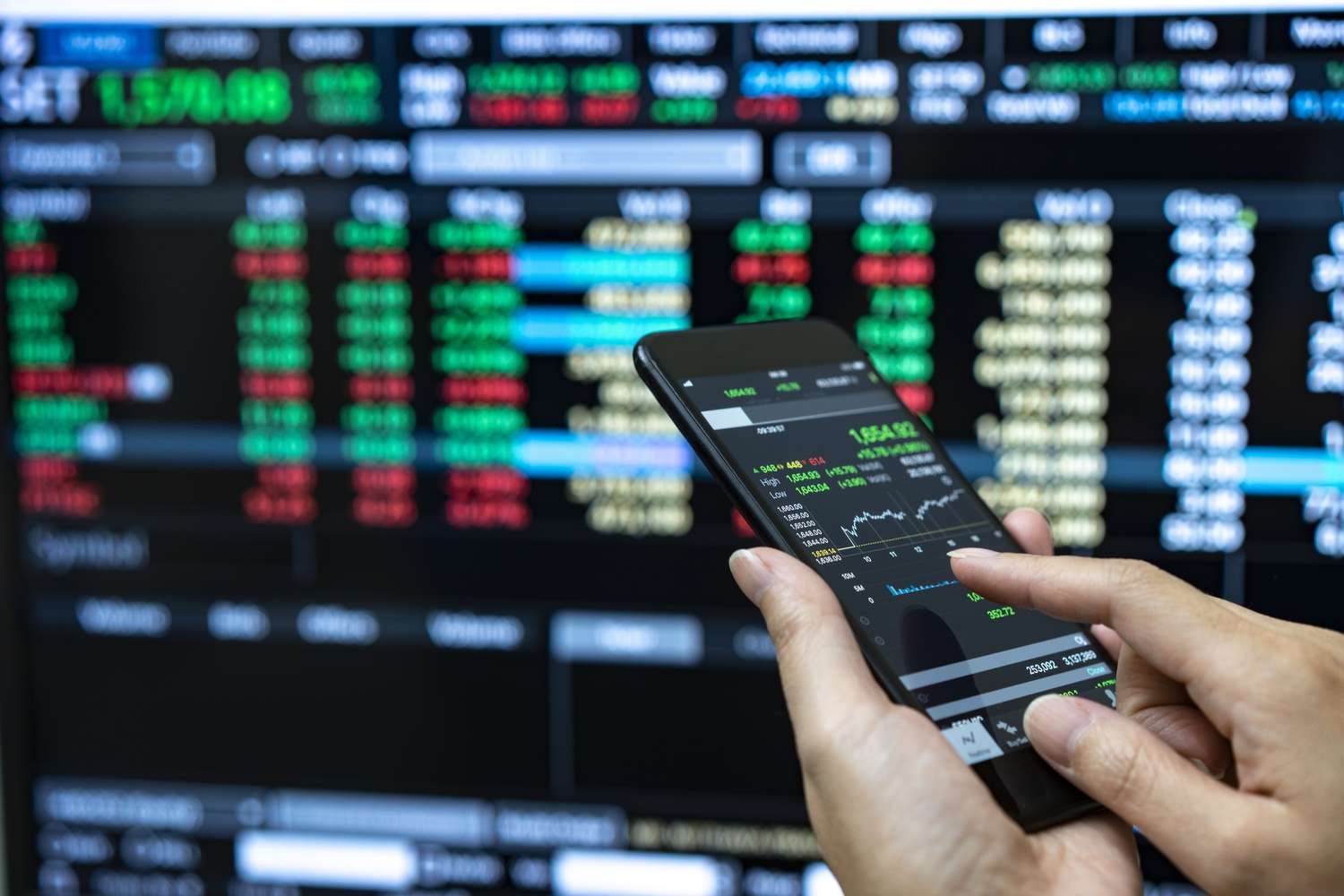
It is basically mobile infrastructure that makes this possible. Anyone with a solid data connection can now access online brokerages in the smaller cities of Pakistan, and the increasing quality of mobile internet has eliminated problems that existed a few years ago in provinces such as Khyber Pakhtunkhwa, Sindh outside Karachi, and in southern Punjab. If a trader in Gujranwala uses a medium-range Android device and MetaTrader 5, they access the same quality of tools as a trader in a Lahore apartment with a desktop system.
Along with the technology has come a kind of financial education that circulates between people and not institutions. The knowledge gained in bigger cities has been transferred to smaller ones, via families, migration back and forth, and increasingly, online communities untethered from geography. A popular Urdu-language tutorial covering currency market principles is as readily available in Faisalabad as it is in Defence Housing Authority, Karachi, and the comment sections of these YouTube channels show that recipients are spread across various geographical locations, to the creators’ surprise.
Participation from outside large urban centers has its own personal flavor. A skill-based income stream that is not tied to local labor markets has a special intensity in cities where employment avenues are limited and salary caps are set at lower levels. Young people in smaller Punjabi cities who once considered emigrating to the Gulf to earn foreign income are wondering if they can achieve the same or better results by building trading skills locally. The approach is not always sound and the dangers of undercapitalized trading are very real, but the motivation behind it makes sense.
There has been an unanticipated group of market-aware participants emerging in the agricultural communities of rural belts in Pakistan. Farm families who have experienced commodity price volatility, cash flow constraints, and fluctuations in currency values reflected in the costs of imported goods carry economic experience that can translate into trading instincts. For those who have tracked how poor harvests in one country ripple into prices elsewhere, forex trading is not totally unfamiliar. The formal language is new, the logic of interconnected markets is not.
The process of maturation in secondary cities in Pakistan is neither even nor overstated. Problems of under-prepared participants, deficient broker due diligence, and misuse of leverage are all more prominent where formal financial literacy infrastructure is less developed. However, there is a clear directional trend that should be acknowledged. The informed and thoughtful retail trader community of Pakistan is no longer limited to certain urban postcodes, and the ideas around markets, risk and platform selection that were once the exclusive domain of the professional trader now find more ears than they did three years ago.