
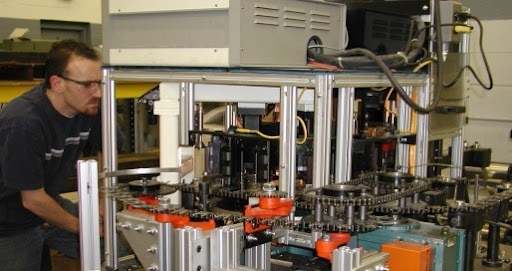
In an era dominated by smart devices, connected systems, and rapidly evolving technology, creating a successful hardware product is more complex than ever. Companies must navigate engineering challenges, supply chain constraints, cost targets, user experience expectations, and compliance requirements—all while racing against competitors. This is why partnering with a professional hardware development company has become essential for modern businesses.
A hardware development company provides end-to-end services that turn ideas into market-ready electronic or electromechanical products. From concept design and electronic engineering to prototyping, testing, and manufacturing support, these companies bridge the gap between innovation and realization. For startups and established enterprises alike, they offer the expertise, resources, and technical discipline needed to bring high-quality hardware to market faster and more affordably.
This article explores what hardware development companies do, why they are crucial in today’s tech environment, how the development process works, and what businesses should consider when selecting the right partner.
What Is a Hardware Development Company?
A hardware development company specializes in designing, engineering, prototyping, and preparing physical products for mass production. Their work may involve:
- Electronic circuit design
- PCB design and layout
- Firmware and embedded software development
- Industrial design and mechanical engineering
- Prototyping and rapid iteration
- Testing and certification support
- Manufacturing and supply chain assistance
Modern hardware products—whether smart home devices, medical instruments, wearables, robotics components, or IoT sensors—rely on a combination of electronics, software, and mechanical parts. A hardware development company brings all these elements together under one coordinated workflow.
Why Hardware Development Companies Are More Important Than Ever
1. Complexity of Modern Hardware Products
Today’s devices often integrate sensors, connectivity modules, microcontrollers, and compact mechanical structures. Designing all of these in-house can be overwhelming for many organizations. A hardware development company offers multidisciplinary expertise that ensures each component works seamlessly.
2. Accelerated Time-to-Market
Technology trends evolve quickly. To stay competitive, businesses must deliver new products faster. Experienced development teams use optimized workflows, advanced tools, and validated processes to reduce development cycles significantly.
3. Cost Reduction Through Smart Engineering
Outsourcing avoids the high cost of maintaining full-time engineering teams, specialized equipment, and R&D infrastructure. A professional hardware development company can design for scalability, manufacturability, and cost efficiency.
4. Risk Mitigation
With hardware, mistakes are expensive. Poor PCB design, incorrect component selection, or failure to meet compliance standards can lead to costly redesigns. Development companies perform rigorous testing and validation to catch issues early.
5. Access to Cutting-Edge Technology
From advanced 3D modeling to high-precision prototyping and automated PCB assembly tools, a hardware development company provides technology resources most businesses cannot afford to own internally.
The Hardware Development Process Explained
The journey from idea to fully functional product typically involves several stages. While each company has its own methodology, the overall process remains similar.
1. Concept and Requirement Analysis
This stage focuses on understanding:
- User needs
- Technical feasibility
- Market demand
- Product goals
- Budget and timeline expectations
Clear documentation is created to guide the development journey.
2. System Architecture and Electronic Design
Engineers develop the overall architecture, selecting appropriate microcontrollers, sensors, power systems, and connectivity modules. Circuit design and PCB layout are completed with careful attention to performance, safety, and manufacturability.
3. Mechanical Design and Industrial Engineering
For physical form factors, mechanical engineers design housings, casings, moving parts, and ergonomic features. Industrial designers work on aesthetics, usability, and brand identity.
4. Firmware and Embedded Software Development
Modern hardware relies heavily on software. Firmware engineers develop code that controls device functionality, communication protocols, power management, and user interface interactions.
5. Prototyping and Rapid Iteration
Prototypes are produced to test:
- Component fit
- System performance
- Durability
- Power consumption
- User interaction
Rapid prototyping technologies help accelerate iterations.
6. Testing and Compliance Certification
Products are evaluated for:
- Electrical safety
- Environmental durability
- Wireless regulation compliance
- Industry-specific certifications
- EMC/EMI standards
This step is critical for legally selling products in global markets.
7. Manufacturing Preparation
A hardware development company assists with:
- Selecting manufacturing partners
- Creating technical documentation
- Tooling and mold design
- Production testing protocols
- Supply chain planning
By the time the product reaches production, it is fully validated and optimized for scale.
Benefits of Partnering With a Hardware Development Company
End-to-End Expertise
From concept to manufacturing, companies have access to multidisciplinary teams and a unified development pipeline.
Lower Operational Costs
No need for expensive equipment, large engineering teams, or specialized R&D labs.
Reduced Technical Risk
Testing, validation, and expert oversight minimize the chances of failure.
Scalability
Whether the goal is a prototype, a pilot batch, or mass production, a hardware development company adapts to your needs.
Speed and Efficiency
Optimized processes help reduce delays, bottlenecks, and unnecessary redesigns.
Customized Solutions
Development partners tailor every aspect of the product to your exact specifications and market goals.
How to Choose the Right Hardware Development Company
Selecting the right partner has a direct impact on project success. Here are key considerations:
1. Relevant Experience
Look for a company that has worked with similar products or industries (IoT, medical, automotive, consumer electronics, etc.).
2. Strong Portfolio and Testimonials
Case studies and project examples reveal their technical capabilities and reliability.
3. Engineering and Design Capabilities
Verify their expertise in electronics, firmware, mechanical design, and prototyping.
4. Communication and Transparency
Clear updates, reporting, and collaborative workflows are essential for smooth progress.
5. Certification Knowledge
Your hardware may require CE, FCC, UL, RoHS, or industry-specific compliance. Make sure your partner understands these requirements.
6. Budget and Timeline Alignment
Find a provider that can work within your limits while delivering realistic expectations.
The Future of Hardware Development
Technology trends are reshaping how hardware is designed and built:
- AI-assisted engineering is speeding up design cycles.
- Connected ecosystems are making hardware smarter and more integrated.
- Sustainable materials are becoming standard due to environmental regulations.
- Digital twins and simulation tools enable virtual testing before fabrication.
Businesses that partner with an experienced hardware development company gain a strategic advantage, ensuring they remain competitive in this fast-moving landscape.
Frequently Asked Questions (FAQ)
1. What does a hardware development company actually do?
It handles electronic design, mechanical engineering, firmware development, prototyping, testing, and manufacturing preparation for physical products.
2. How long does hardware development take?
Depending on complexity, it may range from a few months for simple devices to 12–18 months for advanced systems.
3. Is outsourcing hardware development cost-effective?
Yes. Outsourcing eliminates the need for full-time engineering departments, expensive equipment, and prototyping infrastructure.
4. Can a hardware development company help with manufacturing?
Most companies provide manufacturing support, supplier connections, and documentation for production.
5. How do I protect my idea when outsourcing?
Signing an NDA and establishing clear intellectual property agreements helps safeguard your concept.
Disclaimer
This article is for informational purposes only and does not constitute professional engineering, business, or legal advice. Businesses should consult qualified hardware development company experts and legal advisors for guidance tailored to their specific project requirements.