
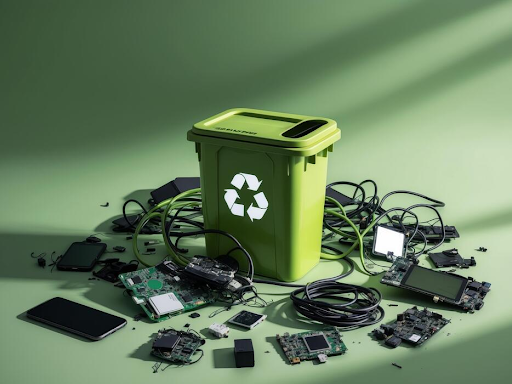
There’s a moment every IT manager or homeowner eventually faces: a storage cupboard full of retired laptops, an office server that’s been replaced, or a drawer of old monitors nobody quite knows what to do with. The instinctive reaction is often to reach for the nearest E-waste disposal service and be done with it. But that instinct, while well-intentioned, can quietly cost businesses and individuals real money. Not every piece of outdated technology belongs in a recycling bin. Some of it still holds resale value, and knowing the difference can turn a routine clear-out into a genuinely smart financial decision.
Recycling Isn’t Always the Right First Step
Recycling exists for a good reason: it keeps hazardous materials out of landfills and ensures components are processed responsibly. But recycling should generally be the last option, not the first. Before anything gets dismantled or shredded, it’s worth asking a simple question: does this equipment still work, or could it be repaired cheaply enough to make resale worthwhile? A laptop with a cracked screen, a server with outdated software, or a batch of monitors that still power on perfectly fine are not automatically waste. They’re assets that simply need the right buyer.
Responsible E-waste disposal only makes sense once every reasonable resale option has been ruled out. Jumping straight to recycling skips a step that could have put cash back into a household budget or a company’s IT refresh fund.
Signs That Equipment Is Still Worth Selling
A few practical indicators help separate what should be sold from what should genuinely be recycled.
It still powers on: Even devices with minor faults, a failing battery, a slow hard drive, or a cracked casing, often retain resale value. Refurbishers and secondary markets frequently repair and resell components that would otherwise be scrapped.
It’s less than five to seven years old: Technology depreciates quickly, but it doesn’t become worthless overnight. Servers, networking equipment, and business laptops within this age range are usually still compatible with current software and infrastructure, making them attractive to buyers looking for cost-effective upgrades.
It was part of a bulk upgrade: Offices, schools, and data centres regularly replace equipment in batches. When dozens or hundreds of devices are retired at once, even modest per-unit value adds up to a significant return, far more than what recycling alone would offer.
The brand or specification still has demand: Well-known manufacturers, standard configurations, and commonly used networking hardware tend to hold resale value longer than niche or heavily customised systems.
When Recycling Genuinely Is the Better Option
Of course, some equipment truly has reached the end of its useful life. Devices that no longer power on, have suffered irreparable water or fire damage, or use components so outdated they’re incompatible with modern systems are typically better suited to certified recycling. In these cases, responsible processing matters enormously, particularly for items containing lithium batteries, circuit boards, or other materials that shouldn’t end up in general waste.
Choosing a certified recycler ensures these materials are handled safely and in compliance with environmental regulations. The key distinction is this: recycling should be reserved for equipment with no remaining functional or resale value, not used as a default disposal method simply because it feels like the “responsible” choice. True responsibility often means extracting value first, then recycling what genuinely can’t be reused.
Data Security Matters Either Way
Whether equipment is being sold or recycled, data security should never be an afterthought. Hard drives, SSDs, and mobile devices can retain sensitive business or personal information long after files appear deleted. Before any device leaves the premises, whether heading to a buyer or a recycling facility, proper data wiping or certified destruction should take place. This single step protects businesses from compliance risks and protects individuals from identity theft, regardless of which disposal route is ultimately chosen.
Making the Financially Smart Choice
- Assess equipment before disposal: Old computers, servers, monitors, networking devices, and other hardware may still have resale, reuse, or refurbishment value.
- Separate equipment by condition: Working, repairable, outdated, and completely damaged devices should not necessarily follow the same disposal route.
- Consider residual value: Functional equipment can potentially generate some financial return instead of being treated as waste from the outset.
- Use recycling for genuinely unusable items: Devices that are damaged beyond practical repair or have little reuse potential can be directed towards appropriate recycling channels.
- Think about large-scale upgrades: Schools, offices, and data centres replacing hundreds of devices can benefit from systematically evaluating retired equipment before disposal.
- Extend useful life where possible: Reusing or refurbishing suitable hardware keeps products in circulation longer and can reduce the need for new resources.
- Choose the route based on the asset: The financially sensible approach is not automatically selling or recycling everything. Each device should be assessed according to its condition, age, functionality, and potential remaining value.
Conclusion
The smartest approach to clearing out old technology isn’t choosing between selling and recycling outright; it’s knowing which category each device actually belongs to. Working laptops, servers, and networking hardware usually deserve a second life through resale, while genuinely broken or obsolete equipment should be recycled responsibly and securely. For anyone in the UAE weighing up their options, searching for a reliable service to sell used IT equipment near me in Dubai is often the more practical first move, since a proper evaluation of the equipment’s condition and market value typically reveals more worthwhile pieces than expected, turning what looked like clutter into a straightforward return, while anything genuinely unusable still gets handled through certified, secure recycling channels afterward.
An IT Scrap Buyer such as E-Waste IT Recycling and IT Scrap Buyer Dubai can help businesses evaluate obsolete equipment and identify suitable disposal routes. Their services may support responsible handling of unwanted IT assets while considering reuse, recovery, and recycling where appropriate.