
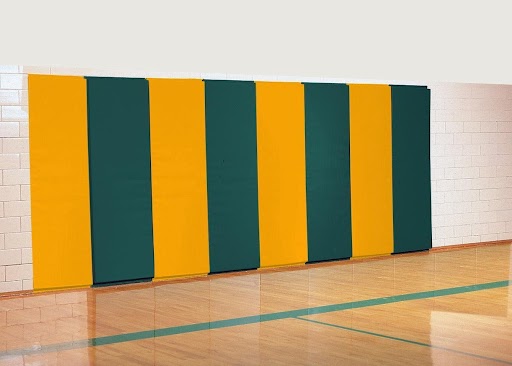
A busy indoor facility has to work for many people at once. In a school hall, children may run, turn, jump, and play close to walls. In a gym, athletes may move quickly between stations. In a sports centre, one room might be used for fitness classes in the morning, youth training in the afternoon, and club sessions in the evening. The space needs to stay useful, but it also needs to be managed with care.
That is where wall padding can become part of the safety plan. It is not always the first feature people think about. Floors, mats, and equipment usually get more attention. Still, walls are fixed surfaces. They do not move out of the way when someone loses balance, misses a step, or gets pushed during fast activity.
The first thing to consider is where the highest contact risk sits. Not every wall needs covering. Areas close to courts, training zones, goal ends, climbing areas, martial arts spaces, or gymnastics sections may need more attention. Corners, posts, low ledges, and hard edges should also be checked. A simple walk-through during an active session can reveal risks that are easy to miss when the room is empty.
Thickness matters, but it should be matched to the activity. A light-use school room may not need the same level of protection as a contact training area. If the space is used for fast sports, falls, or body contact, stronger impact support may be needed. However, thicker is not always better if it makes the space awkward or blocks fixtures. The right choice should support safety without making the room harder to use.
The outer material is also important. Shared facilities need surfaces that can be wiped clean. Sweat, dust, hand marks, and general dirt build up quickly in sports settings. A tough cover helps the padding last longer and makes cleaning easier for staff. It should resist tearing, especially in places where people brush past it often or where equipment may be moved nearby.
Fixing method deserves careful thought. Panels should sit securely against the wall and should not shift during normal use. Loose panels can create gaps or edges that become hazards themselves. In schools and public facilities, durability is especially important because the space may be used by many different groups. The installation should suit the wall type and the way the room is used each week.
Height is another practical detail. Some spaces only need protection at lower body height. Others may need coverage higher up, especially where jumping, climbing, or throwing movements happen. Facility managers should think about the users, not just the wall. Young children, teenagers, adults, and athletes all move differently. A good setup reflects the real people using the space.
Appearance may seem less important than safety, but it still matters. Gyms, schools, and sports centres often want rooms to look clean, organised, and professional. Colours can match the facility or help define activity zones. In a school, brighter colours may make the room feel friendly. In a sports club, a simple finish may look more polished. Good design can protect the wall without making the room feel heavy or closed in.
Regular checks should be part of the plan. Even strong wall padding can wear over time. Look for loose edges, torn covers, soft spots, or gaps between panels. These checks do not need to be complicated, but they should happen often enough to catch problems early.
The best safety features often do their job quietly. People may not notice them when everything goes well. That is fine. In active spaces, the goal is not to make every surface look protective. The goal is to reduce avoidable risk while keeping the room practical, clean, and ready for use. For gyms, schools, and sports centres, wall padding is worth considering because it protects both people and the spaces they rely on.