
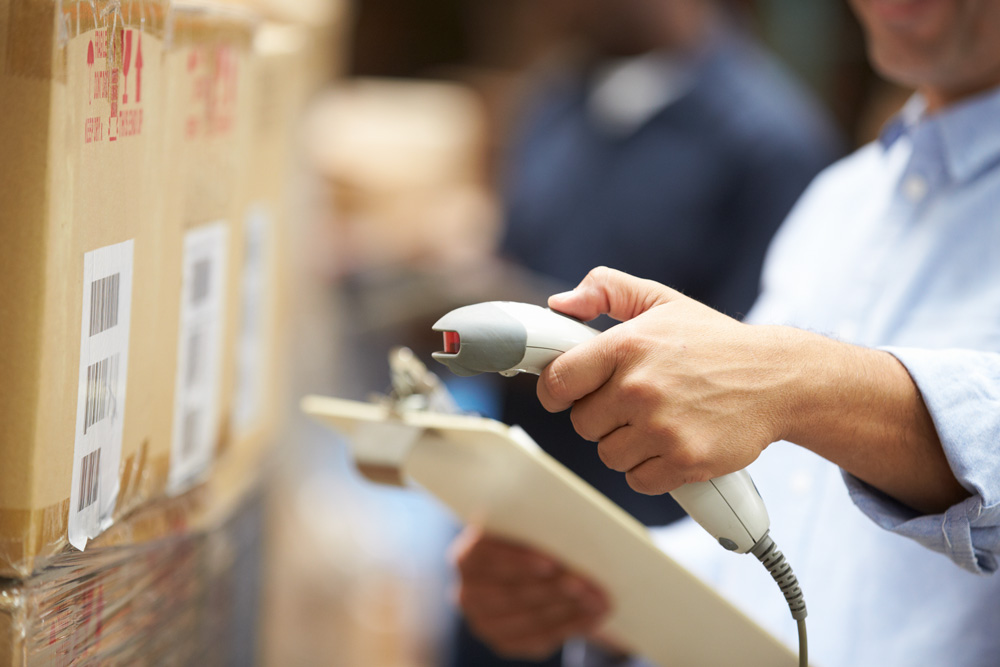
Not Every Business Needs a Factory to Get Labels Done
A common misunderstanding is that barcode printing requires specialist software, industrial-grade tools, and a specialised production center. Many small business owners are stopped from taking charge of a process that is much easier than they know by this assumption. The truth is that a significant portion of barcode label work can be accomplished from a regular home office or a small commercial workspace using tools that are either free or extremely affordable. Since barcoding for the store is a new step in the automation of the warehouse, replacing older paper based technology, the need for accessible printing solutions has never been greater. Barcode technology in stock greatly reduces the possibility of making mistakes and speeds up work, which means that getting the labels right from the start is not a luxury but a necessity for every entrepreneur who wants their products to move efficiently through the supply chain.
Knowing What Format the World Expects from Indian Products
Before anyone fires up a label printer, it helps to understand what kind of barcode the retail ecosystem actually requires. The most widely used format in India and across most international markets is the EAN 13 standard, which is a thirteen digit number designed for retail products. The United States and Canada primarily use the twelve digit UPC format, but for Indian sellers looking to place their goods in local supermarkets, malls, or modern trade outlets, EAN 13 is the default expectation. Retail barcodes are meant for applying on physical products for selling in the retail market, and providers offer unique series, check digit verified codes that have never been used by any other brand. How to get barcodes for products in India is a common question among new business owners, and the answer usually begins with choosing a GS1-registered provider or an authorised reseller. When a business owner decides to explore Barcode label printing online, understanding this distinction between EAN and UPC prevents the common mistake of printing labels in the wrong format for the wrong market, which can result in rejected products at the billing counter.
Free Tools That Actually Deliver Scannable Results
By only giving a valid product identification number, customers may make barcode images for free on a variety of websites. These applications output photographs in common types, such as PNG or JPEG, which may be inserted into label templates and printed using a conventional laser or inkjet printer. It’s vital to bear in mind that even if a barcode looks excellent on screen, flaws like low contrast, inadequate size, or noncompliance with industry standards may lead readers to have trouble. Every barcode format includes a design guideline that defines the barcode’s width to height aspect ratio. Ignoring this criterion during printing frequently results in stickers that fail at the checkout counter. While free tools are great for making the picture itself, the printing process requires thought of the barcode’s quiet zone edges, colour contrast, and clarity.
When Free Is Not Enough and Professional Help Makes Sense
There comes a point in every growing business where the volume of products exceeds what a home printer can reliably handle. Printed barcode labels are available in more than fifteen sizes, with minimum orders starting as low as two thousand labels, and they can be delivered directly to a business address within five to seven days of dispatch. For someone looking to buy UPC code for BlinktIt identification numbers along with professionally printed labels, the process is straightforward. A company can obtain its own codes and then have them printed on sticky labels of the necessary sizes because the label printing service and the distinctive product identification numbers are usually bought individually. Entrepreneurs benefit from this split since they can decide to print small amounts at home in the beginning and then switch to professional printing as their product line grows and store demand rises.
Practical Wisdom for Anyone Printing Their First Barcode
The most overlooked step in the entire barcode printing journey is verification. Once the packaging design is complete and the barcode has been placed on it, it is recommended to take a full proof printout on paper and try to scan the barcode using a scanner application to verify its readability. By doing this, a business can eliminate any barcode design error from the design team before final printing. Scaling or converting a barcode file can distort the precise sizing and bar patterns that are needed for a good scan, which is why the image should always be created in the output device’s requisite size and resolution. For home based businesses and small office operations, this single verification step can save hundreds or even thousands of rupees that would otherwise be wasted on reprinting labels that do not scan properly.