
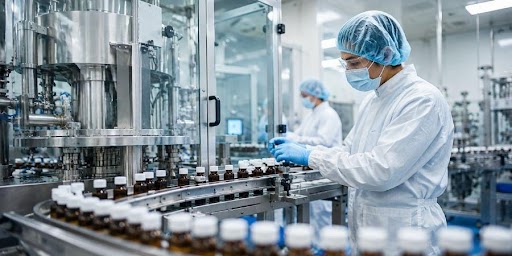
Good Manufacturing Practices (GMP) make sure that medicines are manufactured in a safe way, consistently, and manufactured to high-quality standards. For pharmaceutical manufacturers, following regulations of GMP makes sure that pharmaceutical products are safe to be consumed by patients. GMP compliance is assurance that a manufacturer is distributing safe and effective products to patients. GMP compliance is relevant to all aspects of manufacturing, including sourcing of raw materials, packaging, and even the distribution of the products. The increasing expectations of consumers coupled with globalization means that pharmaceutical GMP-compliant manufacturers will likely enjoy greater confidence from their customers. This likely increases the efficiency of the manufacturer and allows the company to sell their products in more countries. This article shows the need to follow the GMP regulations and how this is beneficial to the manufacturer. Top pharmaceutical manufacturers in India follow stringent GMP standards to ensure consistent product quality, regulatory compliance, and global market competitiveness.
What Is GMP Compliance in Pharmaceutical Manufacturing?
Good Manufacturing Practices are focused on keeping standards for quality control in the production of medicines. For pharmaceuticals, GMP offers regulations for every part of production from the handling of the raw materials, through manufacture, to the packing and storage, and even to the distribution of the finished goods. GMP offers regulations for each step to help minimize contamination, plus reduce errors and defects in production while maintaining standards of safety and efficacy for every product.
- Management systems for quality
- Standard operating procedures
- Training for employees
- Validation for equipment
- Record keeping
- Sanitation practices
Why GMP Compliance Is Important for Pharmaceutical Manufacturers
Compliance with GMP aids in the production of safe, effective, quality medicines for pharmaceuticals, plus it satisfies the expectations of regulations. Following GMP reduces risks of production, increases customer confidence, and aids in the growth of a business. Following GMP standards protects the business from recalls and lawsuits, and also protects its reputation.
Some of the benefits of GMP for producers and consumers are:
- Limits contamination of products
- Safe practices improve the safety of consumers
- Helps build trust with consumers
Key GMP Needs Every Pharmaceutical Manufacturer Must Follow
Good Manufacturing Practices ensure that medicines produced for consumers are safe, effective, a nd of good quality. Consistent and contamination-free medicine production that meets the standards of regulations is a requirement of GMP. To produce safe and effective medicines, pharmaceutical companies are encouraged to implement standards of protection for patient health, as well as improve the quality of medicine through safe practices with improved efficiencies.
Create a Quality Management System (QMS)
GMP encourages implementation of a QMS to help control and monitor the quality of products to support safe manufacturing practices.
Keep Documentation Up to Standards
GMP encourages safe practices, plus encourages the recording of every action taken during the manufacturing of the medicine, including batch records, test results for quality of the medicine, and maintenance of equipment, along with standard operating procedures (SOPs).
Consistent Training for Employees
Regular GMP training keeps employees updated on quality and safety standards, as well as on compliance.
Authorize Equipment and Procedures
Consistent Qualification of Equipment with Validation of Process ensures consistent quality of products.
Keep Hygiene and Sanitation Rules
Keeping the production floors clean, tools sanitized, and employees’ hygienic helps stop dust.
Advantages of GMP Compliance for Pharmaceutical Manufacturers
The adoption of Good Manufacturing Practices has numerous operational and financial benefits to a pharmaceutical manufacturer. GMP positively impacts the efficiency of manufacturing, strengthens product quality, and helps manufacturers compete in the global market. GMP also helps manufacturers address the concerns and needs of customers and end users, which is of utmost importance in the pharmaceutical industry.
These are some of the major benefits: –
- Increased product quality
- Fewer manufacturing errors, fewer product recalls
- Greater compliance with regulatory requirements
- Greater operational efficiency; fewer barriers to entry for international markets
Common GMP Compliance Challenges and How to Overcome Them
The pharmaceutical industry is one of the most complex and rapidly changing industries. This industry is challenged with rapidly changing regulations and more complex manufacturing processes. Several manufacturers struggle with compliance in areas of documentation, staff training, equipment maintenance, and quality control. If compliance challenges are quickly identified and solved, manufacturers are more likely to provide effective solutions and therefore ensure quality, safety, and regulatory compliance of their products.
Some compliance challenges are:
Lack of Documentation: Utilize electronic systems for record-keeping and perform regular checks for documentation.
Lack of Employee Training: Implement ongoing training and refresher training in GMP.
GMP Equipment Issues: Schedule and perform preventative maintenance on validated/qualified equipment.
GMP Regulatory Changes: Reference the regulations and perform self-audits for compliance on a regular basis.
GMP Manufacturing Contamination: Apply stringent control of sanitary/cleaning practices and control of the manufacturing environment.
Lack of Internal Audits: Perform internal audits on a regular basis and implement corrective and preventive actions (CAPAs).
Best Practices to Maintain Continuous GMP Compliance
Continuous compliance is vital for the pharmaceutical industry. A review of compliance along with employee feedback and the use of new technologies allows the industry to adapt to regulatory requirements while enhancing the efficacy of manufacturing.
Taking the following steps will maximize the likelihood of success:
- Perform routine GMP assessments
- Revise SOPs as necessary
- Provide ongoing employee training
- Assess production processes
- Keep all records
- Invest in digital quality management systems
The Future of GMP Compliance in Pharmaceutical Manufacturing
GMP future trends include increasing automation, artificial intelligence, and digital documentation alongside real-time quality assessments. Technologies of this nature allow pharmaceutical manufacturers to increase the safety of their products while improving compliance, reducing the potential for human error, and increasing the efficiency of their systems in the face of global regulatory challenges.
Results of best practices show:
- GMP leads to uniform quality.
- Manufacturers focusing on GMP increase the safety of their products for patients.
- Quality documentation is needed for regulatory compliance.
- Frequent internal audits minimize manufacturing concerns.
- A workforce educated on GMP and quality builds a culture of quality.
- GMP and quality systems build a foundation for compliance.
Essential Documentation Required for GMP Compliance
Good documentation is key to Good Manufacturing Practices (GMP). Proper documentation aids pharmaceutical manufacturers in keeping a high quality of production, complying with regulations, and gaining total traceability in the manufacturing process. Documentation leads to easier inspections, audits, and quality improvement.
GMP necessitates the following records.
- SOPs
- BMRs
- BPRs
- Logs for maintenance and calibration
- Reports on quality control and lab testing
- Training records
- Records for Deviations, CAPA, and change control
- Sanitation logs
GMP Record for Pharmaceutical Manufacturers
Maintaining a detailed checklist aids pharmaceutical manufacturers in achieving consistent GMP and preparing for guiding audits. Frequent critical area review aids in quality management and reduces risks.
A GMP compliance checklist contains the following elements:
- An effective Quality Management System (QMS)
- Timely and accurate GMP documentation
- Documented and repeated employee training on GMPs
- Validation of Manufacturing and Quality Control (QC) processes
- Routine quality control tests
- Sanitation and hygiene standards
- Periodic Internal GMP audits
- Corrective and Preventive Actions
- Monitoring the quality of suppliers and Raw Materials
- Documented and regular reviews on compliance.
The Connection Between GMP Compliance and Patient Safety
GMP compliance is to promote patient safety. Manufacturing standards aid the production of pharmaceutical products that are safe and effective, with no contamination. Consistency and quality of production and reduction of manufacturing errors are the goals of GMPs. Each batch of pharmaceuticals must meet the approved specifications for quality before being released.
Contributes to patient safety.
- Avoids a rise in contamination throughout manufacturing.
- Addresses consistency and ensures quality of products.
- Manufacturing and labelling errors are minimized.
- Helps track products. Recalls products when needed.
- Ensures safety and quality of products.
Conclusion
GMP compliance is fundamental for safe, effective, nd quality pharmaceutical manufacturing. Adherence to GMP standards reduces the risks of inefficient operations and non-compliance with regulations. Commitment to employee training and documentation, quality systems, and continual enhancements signals to customers that the pharmaceutical manufacturer can be trusted and can help the manufacturer to enter new markets with the confidence of being able to sustain a successful business.
FAQs
Q1. What is GMP compliance?
A: Ensures consistent quality, safety and conformity in the manufacturing of medicines.
Q2. Why is GMP compliance and safety important?
A: Ensures the safety and well-being of the patient by protecting them from non-compliant and unsafe manufacturing of pharmaceuticals.
Q3. Who has GMP compliance?
A: All pharmaceutical manufacturers who manufacture medicines for the regulated markets of healthcare.
Q4. How does GMP enhance quality?
A: Consistent processes with GMP reduce the likelihood of errors, thus enhancing the quality of medicines.
Q5. How often should GMP audits take place?
A: Audits should be frequent enough to ensure compliance and sustain the improvement of manufacturing quality.