
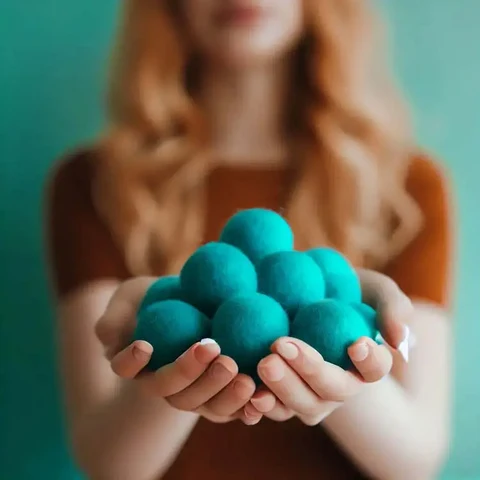
Wool has been part of Himalayan craftsmanship for generations, valued for its warmth, flexibility, durability, and natural character. Traditional wool crafting techniques transform raw fibres into carefully shaped handmade products through processes that depend on skilled hands, patience, and attention to detail. For businesses exploring wholsale woolen balls, understanding how these techniques influence quality can help them appreciate the craftsmanship behind every piece. Handmade woolen balls are not simply decorative items. Their texture, firmness, colour, and shape reflect a process rooted in traditional knowledge and careful workmanship.
Understanding the Tradition Behind Wool Crafting
Traditional wool crafting begins with selecting suitable wool fibres. The quality of the raw material has a direct effect on the final product. Natural wool can offer softness while maintaining enough structure to be shaped into different forms. Artisans carefully work with the fibres to create products that combine visual appeal with practical strength.
In Himalayan craft traditions, handmade production also represents a connection between local skills and natural materials. Rather than relying entirely on automated manufacturing, artisans use established methods that allow them to control the texture and appearance of each product. This creates subtle variations that can make handmade wool products feel more authentic and distinctive.
How Wool Fibres Become Handmade Balls
The process of creating a woolen ball involves transforming loose fibres into a compact, rounded form. One of the important techniques is felting, where wool fibres are encouraged to interlock through controlled moisture, pressure, and movement. As the fibres bond together, they gradually become denser and more stable.
The artisan shapes the material repeatedly while applying pressure. This helps develop the characteristic rounded form of a felt ball. Consistency requires experience because too little pressure can leave the ball loose, while excessive pressure may create an uneven or overly dense surface.
Handcrafting therefore gives artisans control over the final structure. Each stage contributes to the finished appearance, from fibre selection to shaping and surface finishing.
The Importance of Felting in Traditional Craft
Felting is one of the oldest textile-making techniques and remains important in handmade wool production. Unlike woven textiles, felt does not require individual threads to be arranged on a loom. Instead, fibres are compacted and interlocked to create a unified material.
This technique is particularly useful for producing rounded wool products because the fibres can be shaped gradually. The resulting surface has a soft, tactile quality while maintaining sufficient firmness for decorative and functional applications.
Traditional felting also allows artisans to work with different colours and layers. Multiple shades can be combined to create visually attractive designs, making handmade woolen balls suitable for craft projects, decorations, garlands, accessories, toys, and other creative applications.
Why Size and Shape Matter
Uniformity is an important consideration when woolen balls are purchased for commercial use. Products such as felt balls 2cm require careful shaping because even small variations can affect how they are used in a finished craft project.
Artisans need to maintain consistent pressure while forming each ball. The fibres must be evenly distributed so that the finished shape remains rounded instead of becoming flattened or irregular. This attention to detail is particularly valuable for retailers and craft businesses that require products with a consistent appearance.
At the same time, handmade production naturally creates slight differences. These variations can add character while demonstrating that the products have been crafted individually rather than produced entirely through automated processes.
Handmade Craftsmanship Supports Product Versatility
The versatility of felt products comes from the adaptability of wool. Once properly felted, wool can be shaped into numerous forms. Traditional craftsmanship can therefore support the creation of balls, animals, flowers, toys, garlands, coasters, and other decorative products.
This versatility is reflected in contemporary Himalayan handmade collections, where felt products are offered alongside other handcrafted goods. A strong handmade collection can appeal to retailers, boutiques, craft stores, online sellers, and businesses searching for distinctive natural-material products.
For wholesale buyers, product variety can also make it easier to develop complementary collections rather than relying on a single product category.
The Role of Colour in Woolen Ball Crafting
Colour is another important part of handmade wool production. Wool fibres can be arranged in different shades to create simple solid-colour balls or more creative combinations. Colour selection can influence where a product is ultimately used.
Bright shades may work well for children’s crafts and festive decorations, while neutral or earthy tones can complement home décor and natural-themed products. Combining different colours can also help retailers create coordinated collections.
Because artisans work closely with the fibres during the felting process, colour becomes integrated into the material rather than simply applied to the surface. This helps maintain the handmade character of the finished product.
Craftsmanship Beyond Wool Products
Traditional Himalayan craftsmanship extends beyond felted wool. Handmade collections can include decorative products, meditation accessories, textile goods, and other culturally inspired items. Products such as Himalayan singing bowls demonstrate how traditional craftsmanship can continue to serve modern wellness and lifestyle markets.
Although woolen balls and singing bowls are created using very different materials and techniques, both can represent the importance of skilled craftsmanship. The common connection is the emphasis on handmade production, attention to detail, and cultural heritage.
Conclusion
Traditional wool crafting techniques give handmade woolen balls their distinctive texture, shape, and character. Through careful fibre selection, felting, shaping, colouring, and finishing, artisans create versatile products for creative and retail applications. For businesses seeking wholsale woolen balls, understanding this craftsmanship highlights the value of handmade products while supporting authentic Himalayan artistry, consistency, and practical commercial appeal.
For authentic Himalayan craftsmanship, quality products, and dependable wholesale sourcing, choose Best Himalaya. Best Himalaya offers handcrafted felt wool products, singing bowls, meditation items, and other Himalayan handmade goods for international wholesale buyers. Its services include factory-direct sourcing, bulk orders, customization options, private-label support, worldwide shipping, and customer assistance. With a focus on Nepalese craftsmanship, scalable production, and quality control, Best Himalaya supports retailers, distributors, boutiques, and brands seeking authentic handmade products.