
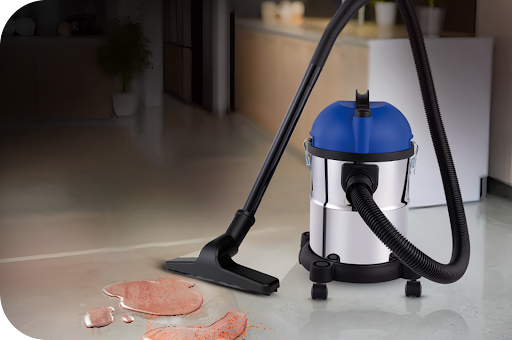
A wet and dry vacuum cleaner often enters a household as a tool for basic floor cleaning. Over time, many users discover that its real value lies in handling everyday messes that go beyond floors. Modern homes often feature fabric surfaces, tight spaces, moisture, and dust buildup in various areas. A standard vacuum cleaner may struggle to adapt to all these situations. A machine designed for both wet and dry tasks meets a range of cleaning needs without requiring multiple tools. Understanding these broader applications helps users make better use of what they already own.
Why Wet and Dry Vacuum Cleaners Fit More Daily Needs?
These cleaners handle dry debris and liquid spills in a single workflow. This flexibility allows users to clean multiple areas without having to stop to switch equipment. Many households rely on consistent suction to lift dust trapped in fabrics and corners. Compared to a basic cleaner, these machines adjust better to mixed surfaces and changing conditions. This adaptability makes them useful across rooms and routines.
Uses That Go Beyond Floor Cleaning
The following examples show how these machines support common household challenges.
Upholstery and Mattress Cleaning
Sofas, cushions, and mattresses collect dust, hair, and allergens over time. A vacuum cleaner with steady suction removes particles that brushing often misses. When spills occur, a wet-dry cleaner helps lift moisture before it settles into fabric layers. This approach supports cleaner surfaces and improves overall indoor comfort.
Car Interiors and Confined Spaces
Car interiors include tight gaps around seats, pedals, and storage pockets. Different nozzle shapes help users reach these areas more effectively. A compact device clears dry dirt from footwells and seams. When liquids spill, a wet-dry vacuum cleaner removes moisture quickly, helping reduce lingering odours and damage.
Kitchen and Dining Area Cleanup
Kitchens face frequent crumbs, powdery spills, and liquid splashes. A wet and dry cleaner lifts dry debris without spreading residue. It also handles liquid spills near sinks and counters in one pass. This method reduces the need for repeated wiping and saves time during daily cleanup.
Bathroom and Utility Area Maintenance
Bathrooms combine moisture with fine dust from daily use. A wet-dry cleaner handles both conditions safely. Users can clear water near wash areas and remove dry debris from shelves or corners. This keeps surfaces cleaner and supports quicker drying.
Balconies, Storage Rooms, and Garages
Outdoor-facing areas collect dust, cobwebs, and tracked-in debris. A vacuum cleaner removes loose dirt efficiently. Some users rely on airflow functions to push dust out of corners before collecting it. A wet and dry vacuum cleaner also helps manage water brought in during the rains, keeping these spaces usable.
Precision Cleaning and Small Item Retrieval
Small items often fall into narrow gaps behind furniture. Users sometimes use a hose attachment with a simple filter to safely retrieve objects. This practical use shows how a wet-dry vacuum cleaner supports tasks that require control and care, not just power.
Using the Right Approach for Each Task
Attachments play an important role in effective cleaning. Users match nozzle types and suction levels to surface needs. Regular care keeps a vacuum cleaner performing consistently. After handling liquid messes, users who rinse filters and empty tanks often see steadier performance. These habits extend usability without adding complexity.
Conclusion
A wet and dry vacuum cleaner supports far more than floor cleaning when used with intent. From upholstery and vehicles to kitchens and storage areas, it adapts to daily challenges. A reliable cleaner reduces the need for separate tools. Users who understand these extended uses save time and effort. With the right approach, households can maintain cleaner spaces with a single adaptable solution.