
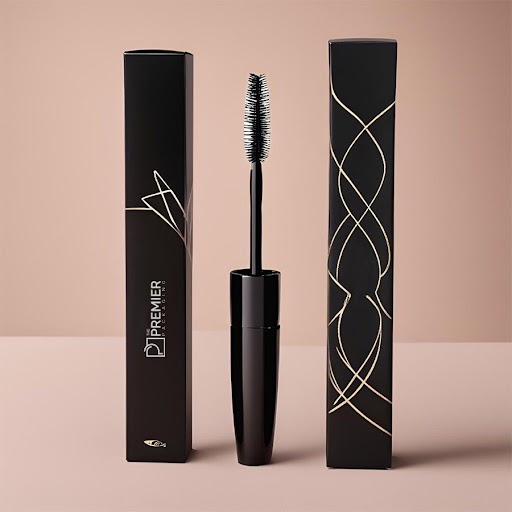
A beauty brand I worked with a while back ran into a problem nobody on the team saw coming. Their single mascara tubes shipped fine barely any damage, solid reviews. Then they launched a three-pack bundle for the holidays, using what was basically the same box design just scaled up, and returns spiked almost overnight. Cracked tubes, shifted wands, a few customers saying the packaging looked “cheap” even though the product inside hadn’t changed at all. Turned out scaling a single-unit box into a multi-pack isn’t just a matter of making it bigger. It’s a different design problem entirely.
Why Multi-Packs Break the Rules Single Units Follow
A single mascara tube is a fairly forgiving shape to package. It’s slim, cylindrical, and one item means one cavity, one insert, one point of contact with the box itself. Multi-packs change all of that math at once.
Put three or four tubes in a box together, and now you’ve got items that can knock against each other during shipping, not just against the walls of the box. Wands can bend if tubes shift even slightly. Boxes that felt sturdy with one tube can feel flimsy with three, simply because there’s more weight and more internal movement to contain.
Brands that just scale up a single-unit design same material, same structure, just wider tend to run into exactly the problem that brand did. The box holds the right number of tubes. It just doesn’t hold them well.
Individual Cavities Aren’t Optional, They’re the Whole Point
The fix, most of the time, is a tray with separate, fitted cavities for each tube rather than one open compartment holding all of them loosely. This sounds like a small structural detail, but it changes almost everything about how the box performs.
Each tube gets its own space, so nothing shifts, nothing knocks against its neighbor, and wands stay protected instead of getting bent during transit. It also happens to look better on opening three or four mascaras sitting in neat, individual slots reads as considerably more premium than the same three tubes rattling around loose in a shared space.
This is one of the clearest reasons custom mascara boxes tend to outperform generic multi-item packaging for this category specifically. A generic box can hold the right quantity. It usually can’t hold each item the way a mascara tube actually needs to be held upright, separated, and cushioned against its own weight and the weight of the tubes around it.
Weight Adds Up Faster Than People Expect
A single mascara tube is light enough that box structure barely matters for weight distribution. Multiply that by three or four tubes, though, and total package weight climbs enough that thin board can start to sag or bow, especially with repeated handling during shipping and warehouse storage.
This is where material choice starts mattering more for multi-packs than it ever did for single units. Slightly thicker board, or a rigid tray-and-sleeve structure instead of a folding carton, tends to hold its shape better under that added weight and it survives stacking in a warehouse a lot better too, which matters more than people think until a shipment arrives with the top layer of boxes visibly crushed.
The Unboxing Moment Actually Matters More Here, Not Less
You’d think multi-packs, being the more “practical” purchase, would care less about presentation than a single flagship item. In practice it’s often the opposite. Multi-packs get bought as gift sets, holiday bundles, or value packs that are explicitly marketed as a treat buy three, save money, feel like you got something special. If the box that shows up doesn’t feel special, the whole value pitch falls a little flat.
A well-designed multi-pack box, with a sleeve that slides off to reveal individually seated tubes, does a lot of work reinforcing that this was worth buying as a set rather than just three separate purchases bundled together out of convenience.
Print and Branding Get More Complicated, Not Simpler
With a single-unit box, branding is straightforward one product, one label, one story to tell on the packaging. Multi-packs often need to communicate more: which shades or formulas are included, whether it’s a limited edition, sometimes even instructions for which tube does what if the pack mixes different mascara types.
Getting that information onto the box without it looking cluttered takes more careful layout work than a single-unit design usually needs. It’s an easy spot for a rushed multi-pack design to end up looking busy or confusing, right at the exact moment a customer’s deciding whether the bundle is worth the price.
Final Words
The mistake to avoid is treating a multi-pack as the same box, just bigger. It isn’t. It needs its own structural plan, individual cavities, material thick enough to handle the added weight, and print design that can hold more information without losing clarity.
Custom mascara boxes built specifically for multi-unit configurations tend to solve most of this from the start, rather than needing fixes after a batch of damaged shipments or lukewarm reviews shows up. For any brand planning a bundle or gift-set launch, that upfront design work is a lot cheaper than the returns and reputation hit that come from getting it wrong the first time around.