
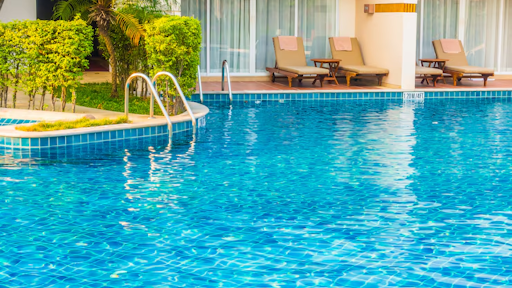
A backyard pool is one of the best ways to beat a Georgia summer. Long, hot months mean pools get heavy use from late spring through early fall, and sometimes beyond. But the same climate that makes pools so enjoyable also puts them under steady stress.
Intense sun, humid heat, thick spring pollen, sudden thunderstorms, and shifting clay soils all affect how pools age. Understanding these local factors helps homeowners spot problems early and avoid expensive surprises.
Why Local Conditions Matter
Pool problems aren’t the same everywhere. A pool in a cool, dry climate faces different challenges than one in the humid Southeast. Knowing what Georgia’s environment does to pool surfaces, liners, and equipment helps you plan maintenance and recognize when Pool Repair in Georgia is needed rather than routine upkeep.
Factor 1: Intense UV and Heat
Long summer days expose pool surfaces to strong ultraviolet light. Over time, UV and heat can:
- Fade and weaken vinyl liners
- Make liners brittle, especially near the waterline
- Speed up chemical consumption, causing water balance swings
What to do: Keep water chemistry balanced, use a cover when the pool isn’t in use, and inspect the liner’s waterline each season for fading or stiffness. Liner wear from sun exposure is one of the most common reasons homeowners look into Pool Repair in Georgia.
Factor 2: Red Clay and Shifting Soil
Georgia’s clay-heavy soil expands when wet and shrinks when dry. That movement can affect the ground around and beneath a pool, sometimes leading to:
- Wrinkles or stretching in vinyl liners
- Uneven walls or floors
- Small leaks around fittings
What to do: Watch for new wrinkles, bulges, or water loss after heavy rain followed by dry spells. Early attention is the best form of Pool Repair in Georgia because small issues stay small.
Factor 3: Spring Pollen and Debris
Pine and oak pollen can turn pool water yellow-green and clog filters quickly in spring. Leaves and twigs from nearby trees add to the load.
What to do: Clean skimmer baskets often, monitor filter pressure, and brush walls regularly to prevent staining and algae. Pollen left too long can cause staining and filter strain that eventually call for pool repair specialists in Georgia.
Factor 4: Summer Storms
Afternoon thunderstorms bring heavy rain, wind-blown debris, and power surges. Pools can experience:
- Diluted chemicals and cloudy water
- Overflow and erosion around the deck
- Electrical damage to pumps and controls
What to do: Test water after storms, clear debris promptly, and consider surge protection for equipment.
Factor 5: Mild but Unpredictable Winters
Georgia winters are usually mild, yet cold snaps do occur. Freezing temperatures can damage plumbing and equipment if pools aren’t protected.
What to do: Run pumps during freezes or follow proper winterizing steps for your pool type.
Warning Signs Your Pool Needs Professional Attention
| Sign | Possible Cause |
|---|---|
| Water level dropping faster than evaporation | Leak in liner, plumbing, or fittings |
| Wrinkles, tears, or bulges in a vinyl liner | Age, UV damage, or soil movement |
| Fading or brittle liner near the waterline | Sun exposure and chemical wear |
| Persistent cloudy or green water | Filtration or circulation problems |
| Unusual pump noises | Bearing wear or blockage |
| Wet spots around the pool deck | Plumbing leak |
If you notice any of these, scheduling professional help in Georgia early can prevent further damage to surrounding soil, decking, and equipment.
For many vinyl liner pools, a liner showing tears, heavy fading, or stretching may be past patching. You can learn how professional pool repair services in Georgia approach vinyl liner replacement and restore a pool’s appearance and watertight seal.
Safety Comes First
Any repair work is also a chance to check safety features like drain covers, fencing, gates, and alarms. The U.S. Consumer Product Safety Commission’s Pool Safely campaign provides helpful guidance on keeping residential pools safer for children and families.
A Simple Seasonal Checklist for Georgia Pool Owners
- Spring: Clean filters, remove pollen, inspect liner and equipment
- Summer: Test water frequently, check after storms, monitor water level
- Fall: Clear leaves, check for wrinkles or leaks before cooler weather
- Winter: Protect plumbing during freezes, inspect covers
Staying on top of these tasks reduces the frequency and cost of Pool Repair in Georgia over the life of your pool.
When to Call a Professional
DIY maintenance handles a lot, but some issues need expert help: liner replacements, leak detection, plumbing repairs, and electrical work. Professionals have the tools to diagnose problems accurately and fix them safely. Choosing experienced local technicians for pool repair in Georgia means working with people who understand how regional conditions affect pools.
Conclusion
Georgia’s sunshine, humidity, pollen, storms, and clay soil all shape how a pool ages. Regular maintenance, close attention to warning signs, and timely professional repairs keep small problems from becoming major projects. With a little seasonal care, your pool can stay safe, clean, and ready to enjoy through every long southern summer.