
Choosing an orthodontic treatment involves more than looking at the bracket placed on each tooth. Patients also need to consider the clinical assessment, treatment complexity, appointment schedule, duration, and retention phase. These factors can influence the overall financial commitment, making an initial consultation important before selecting an appliance.
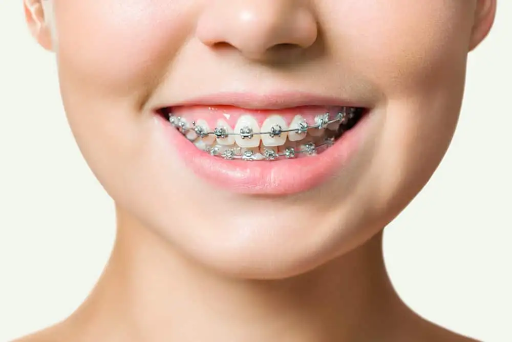
For patients considering self ligating braces cost in Singapore, the quoted amount should be viewed as part of the complete treatment plan rather than as the price of brackets alone. Self-ligating systems use brackets with built-in clips to secure the archwire, removing the need for conventional elastic modules. The final fee can therefore differ between patients according to their orthodontic requirements.
What Determines the Overall Treatment Cost?
The type of self-ligating system is one factor that can influence the fee. Metal and ceramic versions have different material characteristics, while the complexity of tooth movement can also affect the treatment plan. A straightforward alignment case may require a different level of clinical management than significant crowding or a complicated bite concern.
Treatment duration also has a financial role. Orthodontic care commonly involves appointments throughout the active phase, followed by braces removal and retainer fitting. A longer treatment period may involve additional clinical visits, making the initial quotation more meaningful when it explains what is included rather than presenting a bracket-only figure.
Several practical elements should be clarified before treatment begins:
- Initial consultation and orthodontic assessment
- Dental records, photographs, X-rays, or moulds where required
- Bracket placement and archwire management
- Routine review appointments
- Braces removal and post-treatment records
- Custom retainer fitting after active treatment
A clear breakdown helps patients understand whether the quoted treatment fee covers the major stages of care. It also makes comparisons between clinics more useful because two apparently similar quotations may include different services or follow-up arrangements.
Why Case Complexity Matters
Orthodontic treatment is highly individual. Crowding, spacing, crooked teeth, overbite, underbite, and crossbite can appear separately or together, with each presentation requiring a different treatment strategy. The appliance itself does not determine the entire course of care because tooth position and bite relationships guide clinical decisions.
Mild Alignment Concerns
Cases involving limited tooth displacement may follow a relatively straightforward treatment plan. However, an apparently simple concern can still require detailed assessment because the visible position of the teeth does not always reveal the complete bite relationship.
Crowding and Complex Movement
Crowded dentition can require coordinated movement across several teeth. The orthodontist may need to evaluate available space, tooth angulation, bite relationships, and the desired final position before deciding how treatment should proceed.
Bite Correction Requirements
Overbites, underbites, and crossbites can involve relationships between the upper and lower teeth rather than isolated crooked teeth. Correcting these concerns requires a broader treatment strategy, which may influence appointments, duration, and overall fees.
Comparing Metal and Ceramic Self-Ligating Systems
Self-ligating braces are available in different bracket materials. Metal versions are visually prominent but offer a conventional orthodontic appearance, while ceramic versions can provide a less noticeable alternative. The choice is therefore influenced by clinical suitability as well as personal preferences about appearance.
Ceramic brackets can carry a higher fee than metal alternatives because of their material and aesthetic characteristics. Current Singapore dental pricing references place self-ligating systems within a broad range, with the exact quotation depending on the appliance, treatment requirements, and provider. Published estimates should therefore be treated as general guidance rather than a guaranteed individual fee.
Are Fewer Adjustments a Financial Advantage?
Self-ligating brackets use a built-in clip to hold the archwire instead of conventional elastic ties. This changes the mechanics of how the wire is secured and can simplify certain adjustment procedures. The design is also associated with reduced friction around the bracket-wire interface, although treatment outcomes remain dependent on the individual case and clinical management.
Fewer adjustment-related procedures do not automatically mean that every patient will spend less overall. Orthodontic fees account for the complete course of care, while appointment frequency depends on clinical progress. The website indicates that follow-up visits are generally scheduled every four to six weeks, allowing progress to be monitored and treatment adjusted when needed.
What Should Patients Ask Before Paying?
A cost discussion becomes more useful when patients understand exactly what the quoted figure represents. Instead of asking only for the appliance fee, they can request clarification about assessment, records, active treatment, follow-ups, removal, and retainers. This creates a clearer picture of the financial commitment from beginning to end.
Before committing, patients can ask:
- Which bracket system is recommended and why?
- What stages are included in the quoted fee?
- How frequently are follow-up appointments expected?
- Could additional procedures become necessary?
- Are braces removal and retainers included?
- What payment arrangements are available?
- How will treatment progress be reviewed?
Evaluating Value Beyond the Initial Fee
Cost is only one part of orthodontic value. Specialist accreditation, experience, treatment planning, follow-up care, and the suitability of the recommended appliance can all affect the overall treatment experience. A lower quotation may not provide a meaningful comparison if important stages are excluded or if the treatment approach differs substantially.
The treatment process also extends beyond bracket placement. Assessment, planning, active tooth movement, removal, post-treatment records, and retention each contribute to the final result. A clinic that explains these stages clearly gives patients a stronger basis for understanding what they are paying for and what responsibilities continue after active treatment.
Final Thoughts
What should matter most when assessing self ligating braces price? The answer begins with understanding what the treatment fee actually covers. Patients should consider the recommended appliance, clinical complexity, expected treatment duration, follow-up schedule, removal, and retention rather than judging a quotation by its headline figure alone.
For patients seeking specialist orthodontic care in Singapore, BRACESAURUS provides self-ligating metal and ceramic braces alongside other braces options, with treatment plans tailored to individual needs. Led by Dr. Wee Teng Yau, an MOH-accredited orthodontic specialist with more than 20 years of dental experience, the clinic focuses exclusively on braces and offers flexible payment plans. A consultation can help determine the appropriate system and provide a more relevant estimate based on the patient’s orthodontic requirements.