
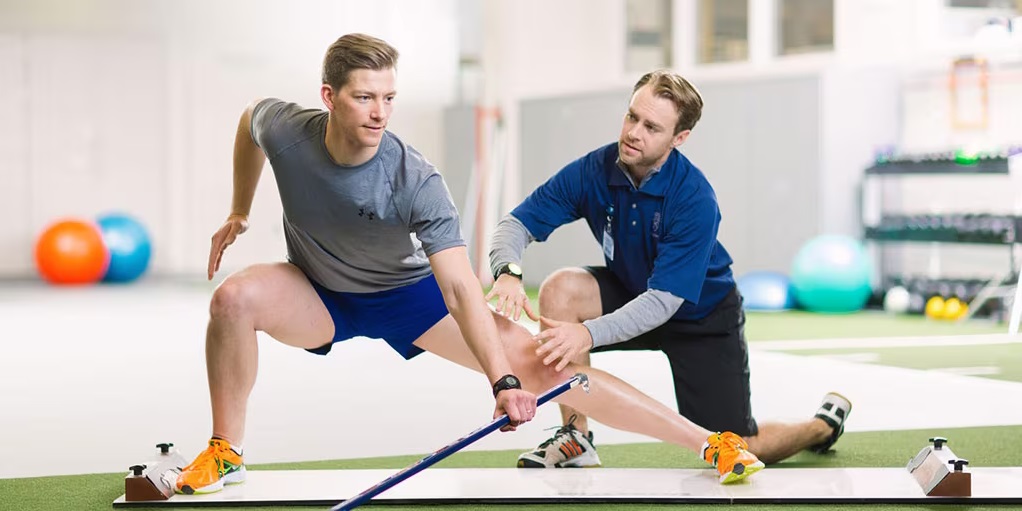
When people think about athletic recovery, they often picture a player being helped off the field and whisked away for immediate medical attention. While that’s part of the story, the real work of getting athletes back to peak condition often takes place behind the scenes, led by the dedicated hands and expertise of a sports physical therapist. These professionals are more than just healthcare providers—they are performance partners who help athletes heal, prevent injuries, and optimise their abilities.
The Bridge Between Injury and Recovery
A sports physical therapist’s primary role is to guide athletes from the moment of injury through to complete recovery. This involves a combination of manual therapy, targeted exercises, and rehabilitation plans tailored to the demands of the sport. Their deep understanding of biomechanics allows them to identify not just how an injury occurred, but how to reduce the risk of it happening again.
Whether it’s a sprinter with a pulled hamstring, a basketball player with a knee ligament tear, or a weekend cyclist dealing with chronic back pain, sports physical therapists create customised treatment plans. These plans are designed not just to restore movement, but to restore confidence—an essential component for competitive athletes returning to the game.
Working in Tandem with Sports Physicians

In many cases, a sports physical therapist collaborates closely with a sports physician. The sports physician diagnoses injuries, orders imaging or lab tests, and prescribes treatment. Once the acute phase is under control, the physical therapist steps in to implement a rehabilitation program. This team approach ensures athletes receive well-rounded care, from initial diagnosis through final performance readiness.
For example, after a shoulder injury, a sports physician may recommend a certain rest period or even a minor surgical procedure. Post-surgery, the sports physical therapist develops a progressive recovery plan, starting with gentle mobility work and eventually introducing sport-specific strength and agility exercises.
More Than Just Injury Treatment
Sports physical therapists aren’t limited to treating injuries—they also focus heavily on injury prevention. Through movement assessments, strength and flexibility testing, and sport-specific drills, they identify potential weaknesses before they become problems. Athletes often visit therapists during their off-season to work on stability, mobility, and conditioning to ensure they enter the next season stronger than ever.
Additionally, these professionals provide education on proper technique, warm-up routines, and recovery strategies. They teach athletes how to listen to their bodies, spot early signs of strain, and use corrective exercises to maintain performance while avoiding overuse injuries.
The Psychological Boost
Recovering from an injury isn’t just a physical challenge—it’s a mental one. A sports physical therapist plays a vital role in helping athletes overcome the fear of re-injury. By setting achievable milestones, tracking progress, and celebrating small wins, they help rebuild mental resilience alongside physical strength. This combination of encouragement and evidence-based practice reassures athletes that they can trust their bodies again.
Essential Across All Levels of Sport
While elite athletes in professional leagues often have entire medical teams, sports physical therapists are equally vital for high school competitors, college athletes, and even active adults. Recreational runners, amateur tennis players, and weekend soccer enthusiasts can all benefit from their expertise. The principles of recovery, injury prevention, and performance optimisation apply at every skill level.
Conclusion
Sports physical therapists do far more than simply treat injuries—they keep athletes moving, performing, and thriving. Working hand in hand with a sports physician, they form an essential part of the athlete’s support system, ensuring recovery is efficient, safe, and sustainable. Whether on the sidelines of a championship game or in a quiet rehab room, their work helps transform setbacks into comebacks.
For any athlete—professional or amateur—partnering with a skilled sports physical therapist can make the difference between sitting out and getting back in the game stronger than before.