
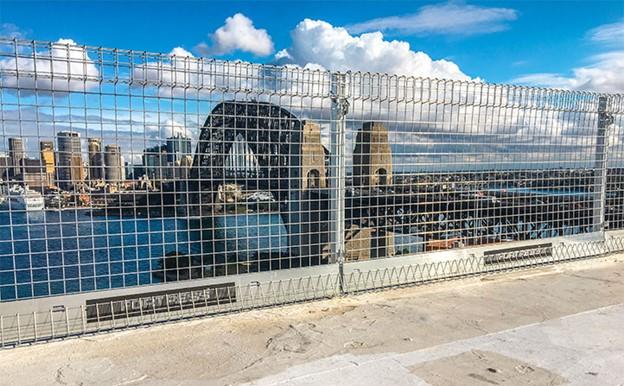
Workplace safety is a top priority across industries, particularly in construction, manufacturing, and any field involving elevated surfaces or work performed at height. One of the most significant hazards workers face is falling from elevated areas, leading to serious injuries or fatalities. This is where edge protection safety equipment plays a vital role in safeguarding workers and ensuring their well-being.
Understanding Edge Protection
Edge protection refers to safety systems installed around the edges of elevated platforms, scaffolding, roofs, and other structures where workers may be exposed to fall risks. These systems are designed to prevent falls by creating a physical barrier, ensuring that workers remain safe while working at height. Edge protection can include guardrails, toe boards, safety nets, and other safety measures, depending on the specific needs of the workplace and the nature of the tasks at hand.
Why Edge Protection is Crucial
Falls from height continue to be a leading cause of workplace injuries. According to statistics from safety organisations, nearly one-third of fatal accidents in the workplace are related to falls. As such, implementing proper edge protection is vital to reducing these incidents.
In addition to preventing falls, edge protection offers several other safety benefits:
- Prevents Falls at Critical Locations: Construction sites, roofs, bridges, and other elevated areas often involve risky tasks. Without adequate edge protection, workers are at a higher risk of falling off the edge of the work surface.
- Ensures Compliance: Many regulatory bodies mandate the use of edge protection in specific industries. Compliance with these regulations is not only necessary for worker safety but also protects companies from legal consequences.
- Enhances Worker Confidence: Knowing that proper edge protection systems are in place can boost worker confidence and morale. This, in turn, can lead to increased productivity, as workers are more likely to focus on their tasks rather than worry about potential hazards.
Types of Edge Protection Systems
Edge protection systems can be categorised into various types depending on the specific needs of the site and the kind of work being carried out.
- Guardrails: The most common form of edge protection, guardrails are installed along the edges of work areas. They provide a physical barrier that prevents workers from falling off elevated surfaces. Guardrails are typically made of metal or other durable materials and can be adjusted based on the height of the structure.
- Toe Boards: These are placed at the bottom of guardrails to prevent tools or materials from falling off the edge and causing harm to workers below. Toe boards are particularly useful in areas with a high risk of falling objects, such as scaffolding or roofs.
Installing Edge Protection Safely
The installation of edge protection systems should be performed by trained professionals who understand the specific requirements of the worksite and local safety regulations. Proper installation ensures the effectiveness of the system and guarantees that it will function as intended, minimising the risk of accidents.
- Assess the Environment: Before installing edge protection, it’s essential to assess the environment to identify the specific risks and determine the type of protection needed. This may include considering the height of the work area, the potential for falling objects, and the type of work being performed.
- Regular Inspections: Once edge protection systems are in place, regular inspections are necessary to ensure that they remain intact and functional. Any damage or wear and tear should be addressed immediately to maintain a safe working environment.
Final Thoughts
Edge protection safety equipment is indispensable in creating a secure workplace, especially in industries where workers frequently operate at heights. Businesses that prioritise safety through the installation of reliable edge protection systems not only comply with regulations but also foster a culture of care, resulting in a safer and more productive workforce.