
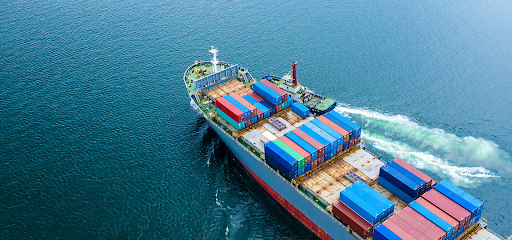
Global trade thrives on efficient transportation systems, and among all logistics methods, ocean shipping stands as the most influential force driving world commerce. From raw materials to finished consumer goods, oceans serve as the highways connecting producers and markets across continents. In today’s interconnected economy, businesses rely heavily on global cargo shipping to move goods safely, affordably, and at scale. Without ocean freight, global supply chains would struggle to function effectively.
As trade volumes increase and markets expand, understanding how ocean freight services operate and why it remains essential helps businesses make informed logistics decisions.
What are Ocean Freight Services
Ocean freight services refer to the transportation of goods across seas and oceans using specialized cargo vessels. These vessels include container ships, bulk carriers, tankers, and multipurpose ships designed to handle different types of cargo. This mode of transport is particularly suitable for heavy, oversized, and high-volume shipments.
Compared to other transport methods, global cargo shipping offers unmatched capacity and cost efficiency. Businesses involved in imports and exports prefer sea freight because it enables them to move large quantities while keeping transportation costs manageable. This makes ocean freight services a cornerstone of international trade.
The Importance of Ocean Freight Services in Global Trade
Over 80 percent of global trade by volume is carried through ocean freight services, proving its dominance in world commerce. Sea freight connects manufacturing hubs with consumer markets and supports the global exchange of goods between developed and emerging economies.
Without global cargo shipping, industries such as manufacturing, agriculture, automotive, and retail would face severe supply disruptions. Ocean transport enables countries to access resources they lack locally while exporting surplus goods, strengthening economic relationships and global cooperation.
Types of Ocean Freight Services
Ocean freight services are designed to accommodate a wide variety of cargo requirements. Container shipping is the most common form of ocean freight services, used for transporting packaged goods, electronics, textiles, and machinery. Full container load and less than container load options provide flexibility for businesses of all sizes.
Bulk shipping handles commodities like grains, coal, minerals, and chemicals, while specialized vessels transport temperature-sensitive or hazardous cargo. These diverse options ensure global cargo shipping can support nearly every industry.
How Ports Support Ocean Freight Services
Ports play a crucial role in ocean freight services, acting as gateways for global trade. They handle cargo loading and unloading, storage, customs clearance, and inspections. Efficient port operations ensure faster turnaround times and smoother cargo movement.
Major ports are strategically located along key trade routes to optimize global cargo shipping efficiency. Well-managed ports reduce delays, prevent congestion, and help maintain predictable shipping schedules, which are essential for modern supply chains.
Ocean Freight Services and Cost Efficiency
One of the biggest advantages of ocean freight services is its cost-effectiveness. Transporting goods by sea is significantly cheaper per unit than air or road freight, especially for long distances. This allows businesses to reduce logistics costs while maintaining profitability.
For companies shipping large volumes, global cargo shipping provides economies of scale that other transport modes cannot match. This affordability supports global trade growth and makes international markets accessible even to small and medium-sized businesses.
Ocean Freight Services and Supply Chain Reliability
Reliable supply chains depend on consistent and well-managed ocean freight services. Manufacturers rely on predictable shipping schedules to plan production cycles, while retailers depend on timely deliveries to meet customer demand.
Disruptions in international cargo shipping can affect entire industries, which highlights the importance of working with experienced logistics partners. Effective planning, route optimization, and risk management help ensure smooth cargo flow and supply chain stability.
Environmental Impact of Ocean Freight Services
Compared to other transportation modes, ocean freight services are considered environmentally efficient per ton of cargo transported. Ships carry massive volumes, resulting in lower fuel consumption per unit and reduced emissions relative to air freight.
The industry continues to adopt cleaner fuels, energy-efficient vessel designs, and advanced navigation technologies. Sustainable practices in global cargo shipping are becoming increasingly important as businesses focus on reducing their environmental footprint.
Challenges Faced by Ocean Shipping
Despite its advantages, ocean shipping faces challenges such as port congestion, weather disruptions, regulatory compliance, and fluctuating freight rates. Documentation errors and customs delays can also slow down shipments.
Professional logistics providers help overcome these challenges by offering end-to-end solutions. With expert handling, proper documentation, and efficient coordination, global cargo shipping remains reliable even in complex trade environments.
Technology Transforming Ocean Freight Services
Technology is reshaping ocean freight services by improving visibility, efficiency, and control. Real-time tracking systems allow businesses to monitor shipments throughout the journey. Digital documentation reduces paperwork and minimizes errors.
Automation and data analytics enhance route planning and cargo management in global cargo shipping. These advancements help businesses make informed decisions and improve overall logistics performance.
Why Ocean Freight Services are Essential for Businesses
For businesses engaged in international trade, ocean freight services are a strategic necessity. It enables access to global markets, supports large-scale operations, and ensures cost-effective transportation.
From exporters shipping goods overseas to importers sourcing materials globally, global cargo shipping provides the backbone for successful global business operations.
Choosing the Right Ocean Freight Services Partner
Selecting the right logistics partner is critical for effective ocean freight services. A professional service provider ensures smooth documentation, customs compliance, cargo safety, and timely delivery.
An experienced logistics company understands global regulations, shipping routes, and port operations. This expertise ensures seamless global cargo shipping and reduces operational risks.
Conclusion
Ocean freight remains the backbone of global trade, enabling the seamless movement of goods across continents at scale. By offering cost efficiency, high capacity, and dependable transit routes, ocean shipping supports stable supply chains and economic growth worldwide. As international trade expands, global cargo shipping will continue to play a crucial role in connecting markets, industries, and consumers across the globe.
Ocean freight continues to drive global trade by offering reliable, scalable, and cost-effective transport solutions. For businesses seeking trusted ocean freight services, AVR Logistics delivers comprehensive sea freight solutions including FCL and LCL shipments, customs clearance, warehousing, and multimodal transport. With strong expertise in global cargo shipping, AVR Logistics ensures secure handling, timely delivery, and seamless global connectivity, helping businesses grow confidently in world commerce.