
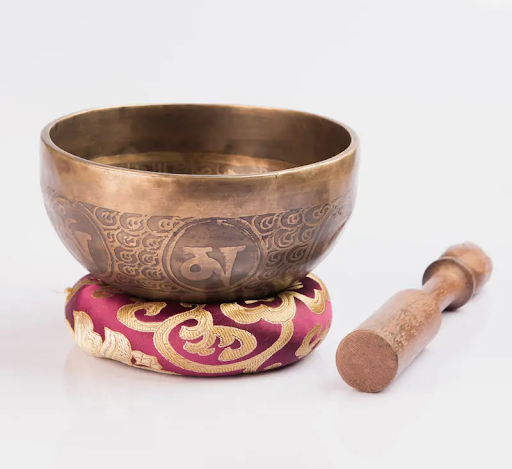
Shared meditation has always relied on rhythm and sound to create a sense of unity among participants. In many Himalayan traditions, singing bowls serve as a subtle but powerful medium for this purpose. Their tones help bring individual attention into alignment, allowing groups to settle into a collective meditative state without the need for spoken direction.
In modern group practices, singing bowls are valued for their ability to create consistency across large spaces. Whether used in retreat halls or wellness studios, they help maintain a shared auditory environment that supports stillness and focus. For facilitators working with larger gatherings, sound bowl meditation in bulk becomes a practical consideration, ensuring tonal harmony and continuity across sessions.
Sound as a Collective Meditative Anchor
In shared meditation, sound acts as a stabilizing reference point that participants can return to effortlessly. Singing bowls produce sustained tones that fill a room evenly, offering a constant presence without demanding active attention. This quality makes them effective for groups with varying levels of meditation experience.
Unlike guided speech, which can fragment attention, bowl tones encourage passive listening. Participants are not required to interpret the meaning or instruction. Instead, the sound gently anchors awareness, helping the group settle into a shared rhythm of calm observation.
Acoustic Properties That Support Group Awareness
The structure of the singing bowl sound is particularly suited to communal practice. Traditional Himalayan bowls emit a primary tone accompanied by layered overtones. These frequencies interact with one another and with the surrounding space, creating a resonant field rather than a single directional sound.
In group meditation, this richness helps smooth out acoustic inconsistencies within a room. Minor environmental noises become less intrusive, and the overall soundscape remains balanced. This supports a collective sense of presence without overwhelming the senses.
Sustained Resonance and Spatial Coverage
A defining characteristic of singing bowls is their extended resonance. When struck or played with a mallet, the sound lingers, gradually expanding through the space. This sustained quality ensures that participants positioned throughout the room experience the same auditory input.
In shared settings, the gentle decay of sound is especially important. Abrupt silence can feel disruptive, while a gradual fade maintains continuity. This smooth transition helps preserve a calm atmosphere across the group.
Frequency Layering and Mental Settling
The overlapping tones produced by singing bowls discourage analytical listening. Because the sound is complex yet harmonious, the mind has little incentive to focus on detail. In group meditation, this naturally quietens internal dialogue.
As participants listen together, attention softens without effort. The layered frequencies create a shared mental settling that supports deeper collective stillness and sustained awareness.
Nonverbal Guidance in Group Sessions
Singing bowls are often used as nonverbal signals during shared meditation. A single tone may mark the beginning or conclusion of a session, while gentle playing can indicate transitions. This avoids interrupting focus with verbal cues.
For group facilitators, nonverbal guidance preserves the meditative environment. The sound communicates intention clearly while allowing silence to remain the dominant element of the practice.
Craftsmanship and Consistency in Group Use
Consistency of tone is essential in shared meditation environments. Bowls used together must complement one another rather than compete. Traditional Himalayan craftsmanship emphasizes balance, ensuring that bowls within a set resonate harmoniously.
When multiple bowls are played in sequence or together, matched tonal qualities help maintain coherence. This consistency supports group awareness and prevents auditory distraction, particularly in longer sessions.
Cultural Roots of Communal Sound Practices
Singing bowls originate from regions where sound has long played a communal spiritual role. Historically, these instruments were used alongside chanting and ritual sounds to support collective focus. Their purpose was not performance but shared awareness.
Understanding this background informs their modern use. In group meditation today, bowls continue to function as communal tools, emphasizing unity rather than individual expression.
Ritual Context and Group Synchronization
In traditional settings, singing bowls often marked key moments within communal rituals. Their tones signaled transitions and helped synchronize group attention. Participants learned to associate specific sounds with states of awareness.
This principle translates naturally to modern shared meditation. Repeated use of consistent tones conditions groups to settle more quickly, creating a familiar rhythm that supports collective practice.
Adaptation to Modern Wellness Spaces
Contemporary wellness environments have adapted singing bowls to suit diverse audiences. They are now used in sound baths, silent meditation sessions, and therapeutic group practices. Their simplicity allows them to integrate easily across different approaches.
This adaptability has increased interest in healing singing bowls for professional settings, where inclusivity and neutrality are important. Their sound supports group meditation without imposing a specific belief system.
Ethical Sourcing and Authenticity
As demand grows, authenticity remains an important consideration. Traditional Himalayan bowls are handcrafted using time-honored techniques. This craftsmanship affects both sound quality and cultural integrity. For facilitators, sourcing authentic instruments supports reliable performance and respects the traditions from which these tools originate.
Practical Considerations for Large Meditation Groups
Using singing bowls with large groups requires thoughtful planning. Room acoustics, participant numbers, and bowl placement all influence how sound is perceived. Selecting appropriate bowl sizes helps maintain balance across the space.
Equally important is pacing. Sound should support meditation rather than dominate it. Intentional timing ensures that bowls enhance shared awareness without becoming a focal distraction.
Final Thoughts on Shared Sound Meditation
Singing bowls play a nuanced role in shared meditation practices. Through sustained resonance, layered frequencies, and intentional use, they help groups settle into collective stillness while maintaining a calm and balanced sound environment. Their effectiveness is shaped not only by acoustic quality but also by the cultural lineage and craftsmanship behind each instrument.
For meditation spaces seeking authenticity and depth, understanding the origin and function of these instruments becomes essential. From contemporary wellness centers to traditional practice settings, singing bowls continue to support shared awareness, including a growing appreciation for antique singing bowls. In this context, Best Himalaya is closely associated with sustaining Himalayan sound traditions by working with skilled artisans, preserving traditional crafting methods, and supplying carefully made bowls suited for professional meditation, wellness, and collective sound practices worldwide.