
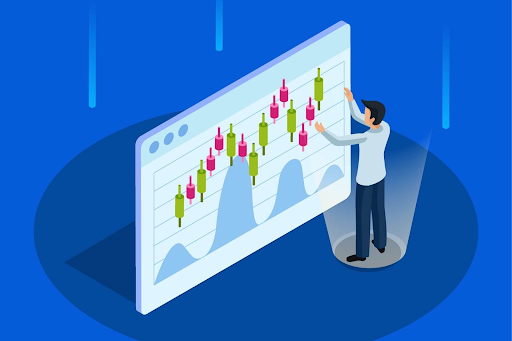
Intraday trading, also referred to as day trading, has emerged as a popular strategy for traders seeking to capitalize on short-term price movements in the financial markets. Unlike long-term investing, where assets may be held for years, intraday trading focuses on buying and selling securities within the same trading day.
By carefully observing daily price movements, traders seek to leverage fluctuations in value for potential profits, ensuring all positions are closed before the market closes. This article delves into the intricacies of intraday trading, highlighting its focus on daily price movements, and exploring its relationship with the money market.
What Is Intraday Trading?
Intraday trading involves the buying and selling of financial instruments, such as stocks, commodities, or currency pairs, within a single trading session. The goal is to take advantage of small, frequent price changes that occur throughout the day. By relying on technical analysis, market trends, and short-term strategies, intraday traders aim to generate quick profits rather than holding onto investments for the long term.
The primary objective is to capitalise on intra-day price volatility, which can be influenced by economic news, corporate earnings reports, geopolitical events, or sudden market sentiment changes. Whether the market is trending upward or downward, intraday traders exploit these opportunities to achieve consistent returns.
Successful intraday trading requires discipline, focus, and a strong understanding of market mechanisms. Since traders often deal with leveraged positions, effective risk management is crucial to avoid rapid losses when markets move unexpectedly.
How Intraday Trading Works
Intraday trading revolves around monitoring price movements and making swift, informed decisions. Here’s how it typically works:
1. Analysing the Market
Intraday traders use technical analysis tools such as charts, moving averages, candlestick patterns, and trend lines. By interpreting indicators like the Relative Strength Index (RSI) or Bollinger Bands, traders can predict potential price movements and identify viable opportunities.
2. Formulating a Strategy
Common strategies include scalping (taking small, quick profits), momentum trading (riding the trend), and breakout trading (buying or selling when prices cross key resistance or support levels).
3. Entry and Exit Points
Clear entry and exit points are crucial. Traders set buy targets and ensure they sell before the market closes. Stop-loss and take-profit orders help control risks and safeguard potential gains.
4. Using Leverage
Many traders use margin accounts to amplify their buying power. While this can enhance profits, it also increases exposure to potential losses.
5. Closing All Positions
All positions are closed before the end of the trading day, reducing overnight risk. After-hours market movements or global events can affect prices, making it essential to avoid holding positions beyond trading hours.
The Importance of Daily Price Movements
Daily price movements are the foundation of intraday trading. Prices fluctuate throughout the day due to supply and demand changes, news announcements, economic reports, and trader sentiment. Intraday traders thrive on these fluctuations, believing that short-term patterns and trends are more predictable than long-term ones.
Traders often use short timeframes, such as 5-minute or 15-minute charts, to study momentum and determine entry or exit points. By focusing exclusively on daily movements, intraday trading avoids the complexities of long-term data and instead capitalises on immediate opportunities.
Volatility plays a key role — a stock showing frequent intraday swings offers more trading opportunities. However, high volatility also brings higher risk, making precision and discipline essential to successful trading.
Intraday Trading and the Money Market
Intraday trading shares close ties with the money market — a segment of financial systems focused on short-term lending, borrowing, and trading of highly liquid debt instruments such as treasury bills, commercial paper, and certificates of deposit.
While the money market primarily caters to institutions seeking safe and liquid short-term options, its liquidity and volatility align with the goals of intraday traders. Those looking to profit from swift price movements often explore trading opportunities in liquid money market instruments.
Additionally, forex and commodities — both connected to the money market — offer high intraday volatility, making them popular among traders. Forex trading allows speculation on currency pairs, while commodities trading involves metals, energy, and agricultural products, all influenced by daily global events.
However, traders must remain cautious. Interest rate decisions by central banks can affect money market liquidity, and short-term instruments may not always provide sufficient intraday volatility. Constant monitoring of macroeconomic developments is essential.
Advantages of Intraday Trading
Intraday trading presents several benefits, particularly for traders who enjoy a fast-paced environment:
- High Liquidity: Active securities allow easy buying and selling throughout the trading day.
- Avoids Overnight Risks: Since all positions close before market hours end, traders aren’t exposed to after-hours volatility.
- Potential Quick Profits: Multiple small trades within a single day can result in consistent returns.
- Reduced Long-Term Uncertainty: No need to analyse multi-year or long-term trends — the focus is purely on daily price action.
Risks of Intraday Trading
Despite its advantages, intraday trading also carries notable risks:
- High Leverage Exposure: Leveraged positions can lead to amplified losses.
- Time Sensitivity: Continuous attention to market changes is necessary, leaving little room for distractions.
- Emotional Pressure: Rapid decision-making can lead to stress, affecting judgment and increasing risk-taking behaviour.
Conclusion
Intraday trading is an exciting yet demanding trading approach that focuses entirely on daily price movements. By leveraging volatility and executing short-term strategies, traders aim to generate returns within the same trading session. Closely linked to the money market and other speculative arenas, it demands precision, self-control, and effective risk management.
For those prepared to embrace its challenges, intraday trading offers boundless opportunities — provided one combines skill, strategy, and discipline to navigate the ever-changing financial landscape.