
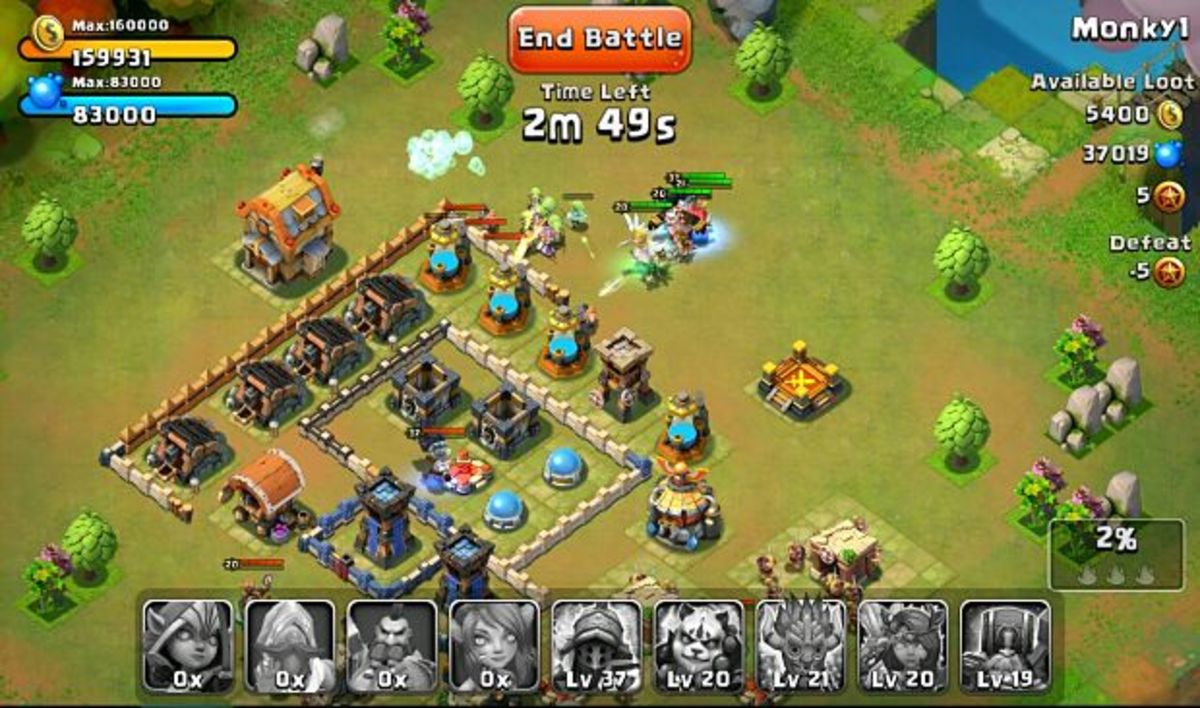
In the past decade, mobile gaming has exploded in popularity, with war-based strategy games like Clash of Clans taking center stage. These games combine base-building, real-time strategy, and competitive multiplayer into a thrilling package that captivates millions. But have you ever wondered how game studios actually develop such complex and engaging titles?
Creating a mobile war game is no small feat. It requires a combination of creative vision, technical expertise, and a deep understanding of player psychology. In this blog, we’ll peel back the curtain and explore how a game design company brings a hit war-based mobile game to life from concept to global launch.
Conceptualization
Every great game starts with a compelling concept. Game studios often brainstorm around themes like medieval warfare, futuristic battles, or tribal conquest to find a unique setting that resonates with players.
In the case of Clash of Clans, the developers at Supercell envisioned a light-hearted yet strategic world where players could build, defend, and attack in real-time. This early conceptual stage also involves competitive analysis studying existing games to identify what works, what doesn’t, and where innovation can happen.
Market Research
Before development kicks into high gear, game studios conduct in-depth market research. This step is crucial for understanding the target audience, trends in mobile gaming, monetization strategies, and player behavior.
By analyzing competitors and user feedback, a game development company can make informed decisions about gameplay mechanics, difficulty progression, and art style. Tools like App Annie, Sensor Tower, and Google Trends help studios gather this data effectively.
Core Gameplay Mechanics
Once the concept is refined, developers begin defining the game’s core mechanics. In war-based mobile games, this typically includes base-building, troop training, timed attacks, resource collection, and clan-based multiplayer systems.
Each mechanic must be carefully balanced to ensure fair play and sustained engagement. For instance, time-based upgrades create a loop that encourages players to return frequently. Meanwhile, battle simulations must be dynamic yet simple enough for mobile users to grasp quickly.
Art and UI Design
Art plays a massive role in how players perceive a game. Studios invest heavily in creating vibrant environments, distinct characters, and visually appealing animations. In Clash of Clans, every element from the walls of your village to the barbarian warriors is designed to be both functional and iconic.
UI/UX designers ensure that players can easily navigate the game. Buttons, timers, menus, and in-game stores must be intuitive and responsive. At this stage, studios often conduct A/B testing to determine the most effective visual layouts.
Backend Development
While the front-end offers an engaging experience, the real magic happens behind the scenes. A scalable backend architecture is essential for real-time matchmaking, cloud saves, server-side logic, and multiplayer features.
Game studios typically use technologies like Node.js, Java, Firebase, or AWS to manage these systems. Security is also a major focus anti-cheat mechanisms, secure payment gateways, and encrypted user data are all implemented to maintain integrity and player trust.
Monetization Strategy
Monetization is a critical consideration from the beginning. A good game development company knows how to design monetization without compromising the player experience. Common strategies include in-app purchases (IAPs), rewarded video ads, and seasonal passes.
In games like Clash of Clans, players can purchase gems to speed up progress or unlock premium items. The key is to balance free-to-play features with paid content in a way that feels fair and optional rather than pay-to-win.
Testing and Balancing
Before launching, the game must undergo rigorous testing. QA testers and beta users evaluate everything from performance and compatibility to gameplay bugs and balance issues.
Balancing is especially important in war games. Troops, buildings, and upgrades must be fine-tuned to prevent dominant strategies and ensure that both new and experienced players have a chance to succeed. This phase may involve several iterations and community feedback.
Launch Strategy
A successful launch goes beyond uploading the game to the app store. Studios develop a comprehensive go-to-market strategy that includes influencer partnerships, promotional videos, app store optimization (ASO), and paid ad campaigns.
Soft launches are often used to test the game in select regions, allowing the studio to refine gameplay and fix last-minute issues. When the global launch happens, it’s a coordinated assault across social media, game forums, and mobile ad networks.
Post-Launch Support and Live Ops
The battle doesn’t end after launch it evolves. Live operations (Live Ops) involve ongoing content updates, bug fixes, seasonal events, and player support. These features keep players engaged for months or even years.
Studios monitor analytics in real time to track user retention, conversion rates, and in-game behavior. Community managers play a vital role in maintaining communication with the player base and collecting feedback for future updates.
Strategy, Execution, and Scale
From ideation to live support, a seasoned game development company handles every aspect of mobile war game creation. These firms bring together creative designers, developers, artists, monetization experts, and data analysts under one roof.
By collaborating with a reliable game development company, clients can reduce time-to-market, control costs, and ensure a polished final product. Whether building a Clash of Clans-style game or a brand-new IP, professional studios offer the expertise needed to turn ideas into action-packed realities.
Technology Stack Used in War-Based Mobile Games
The technology stack behind mobile war games varies depending on the game’s complexity and scope. However, common tools include Unity or Unreal Engine for cross-platform development, Firebase or AWS for cloud integration, and analytics tools like GameAnalytics or Unity Analytics for performance monitoring.
For multiplayer features, studios often use Photon or PlayFab to handle matchmaking and synchronization. The ability to scale quickly is crucial, especially when dealing with millions of concurrent users globally.
Game Economy and Resource Systems
Designing an in-game economy requires both creativity and mathematical precision. Developers must define how players earn and spend resources, and how those resources impact gameplay. Too easy, and the game becomes boring; too difficult, and players may churn out of frustration.
Most war-based games include soft currencies (like gold) and hard currencies (like gems). The interaction between these creates tension and strategic depth. A game development company ensures that resource systems align with progression goals and monetization plans.
Clan and Social Features
One of the reasons Clash of Clans thrives is its emphasis on community. Game studios invest heavily in social features like clan chat, donations, alliance wars, and leaderboards to encourage long-term engagement.
These features increase retention by fostering a sense of camaraderie and competition. Players don’t just play for themselves they play for their team. A good studio understands that a war game is not just about strategy but also about social bonds.
Player Retention Strategies
Player retention is the backbone of mobile game success. To keep users coming back, developers implement daily rewards, push notifications, seasonal updates, and progression systems that reward long-term play.
Additionally, live events and limited-time offers create a sense of urgency. By tracking key metrics like Daily Active Users (DAU) and Average Revenue Per User (ARPU), studios can adapt their retention strategies in real time.
Future of War-Based Mobile Games
As technology advances, so too will war-based mobile games. Augmented Reality (AR), AI-driven NPC behavior, and 5G connectivity will enable richer, more immersive experiences.
Game studios are also exploring blockchain integration, allowing players to own in-game assets. The future holds exciting opportunities for innovation, and a visionary game development company will be at the forefront of these changes.
Conclusion
Creating a mobile war game like Clash of Clans requires more than just coding skills. It demands vision, coordination, and a deep understanding of what keeps players hooked. From designing balanced combat systems to deploying real-time multiplayer architecture, every aspect must be meticulously crafted.
Whether you’re an aspiring developer or a business looking to enter the mobile gaming market, partnering with a game development company can dramatically increase your chances of success. War may be a game but building it is serious business.
Read More: How to Become a Game Tester With No Experience