
Have you ever walked into a home and noticed how fresh and clean the air felt? Or maybe the opposite — a place that smelled dusty or made you want to sneeze? Believe it or not, the type of floor beneath your feet plays a big role in the air you breathe every day.
Many families in Georgia spend most of their time indoors, especially during very hot summers or chilly winters. That means indoor air quality isn’t just a fancy phrase — it directly affects your comfort, health, and even sleep.
In this guide, we’ll explore how flooring impacts indoor air quality, which materials are healthier, and how smart choices — often with the help of experienced flooring contractors can create a safer home for everyone.
Indoor Air Quality Basics (Quick Overview)
Indoor air quality simply means how clean or polluted the air inside your home is.
Common things that can dirty indoor air include:
- Dust
- Pet hair
- Mold
- Pollen
- Chemicals from building materials
When these float around your home, they can cause:
- Sneezing
- Headaches
- Allergies
- Trouble breathing
Children and older adults are especially sensitive. That’s why choosing the right flooring matters more than many homeowners realize.
How Flooring Directly Affects Indoor Air Quality
Floors cover a huge portion of your home — much more than walls or furniture. Because of that, they can either trap pollutants or help keep the air cleaner.
Here are three major ways flooring influences air quality:
1. Floors Can Trap Allergens
Soft surfaces often hold onto dust, dirt, and pet dander. Every time someone walks across the room, tiny particles can float back into the air.
2. Some Materials Release Chemicals
Certain floors release gases known as VOCs (volatile organic compounds). These can cause irritation and unpleasant odors.
3. Moisture Can Lead to Mold
If flooring absorbs water, mold may grow underneath — and mold spores are never good for lungs.
This is why many homeowners in Georgia, where humidity can rise quickly, work with professional flooring contractors to choose moisture-resistant materials.
Best and Worst Flooring for Indoor Air Quality
Let’s break down popular flooring types so you can easily understand which are healthier choices.
Carpet
Carpet feels cozy and warm, but it behaves like a giant sponge.
Pros:
- Can temporarily trap dust so it doesn’t float immediately
- Soft for kids
Cons:
- Holds allergens
- Hard to clean deeply
- Can grow mold if wet
If someone in your home has asthma, carpet may not be the best option.
Hardwood Flooring
Hardwood is a classic favorite for good reason.
Benefits include:
- Easy to clean
- Doesn’t trap allergens
- Long-lasting
However, finishes and stains may release chemicals at first, so proper installation is important.
Vinyl Plank Flooring
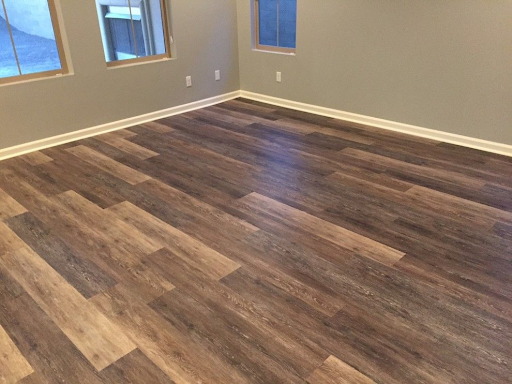
One of the fastest-growing choices today is vinyl plank flooring, and it’s easy to see why homeowners love it.
Modern vinyl plank flooring is designed to mimic real wood while offering strong resistance to moisture — something especially helpful in humid parts of Georgia.
Why many families choose vinyl plank flooring:
- Smooth surface prevents dust buildup
- Easy to mop
- Water-resistant
- Budget-friendly
- Durable for busy homes
High-quality vinyl plank flooring often comes with low-VOC certifications, meaning fewer chemicals enter your air.Still, not all products are equal. Cheaper versions of vinyl plank flooring may release more gases, which is why consulting knowledgeable flooring contractors is always a smart step.Properly installed vinyl plank flooring also prevents gaps where mold could form — another win for cleaner air.
Tile and Stone
Tile is another excellent choice for air quality.
Advantages:
- Non-porous
- Mold-resistant
- Very easy to sanitize
Just remember — grout must be sealed to prevent hidden moisture.
Natural Flooring Options (High-Value Choices)
Eco-friendly materials are becoming popular, especially among health-conscious homeowners.
Great options include:
- Cork
- Bamboo
- Linoleum
These tend to release fewer chemicals and support better airflow inside the home.
Experienced flooring contractors can guide you toward certified safe materials if sustainability matters to you.
What to Look for When Choosing Healthy Flooring
Picking flooring isn’t only about color or style — it’s about protecting the air your family breathes.
Here’s what smart homeowners consider:
Low VOC Labels
Look for certifications showing minimal chemical emissions.
Moisture Resistance
Humidity is common in Georgia, so floors that resist water help prevent mold.
Professional Installation
Even the best flooring fails if installed poorly. Skilled flooring contractors ensure tight seals and safe adhesives.
Easy Maintenance
If it’s hard to clean, pollutants will build up.
When researching options, you can boldly start your search by click here to explore reliable professionals who understand healthy flooring practices.
Working with trained flooring contractors reduces costly mistakes and protects indoor air from the very beginning.
Flooring and Indoor Air Quality for Allergy & Asthma Sufferers
If someone in your home struggles with allergies, flooring choice becomes even more important.
Best picks include:
- Hardwood
- Tile
- High-quality vinyl plank flooring
Because vinyl plank flooring doesn’t trap dust easily, many allergy specialists see it as a practical alternative to carpet.
On the other hand, thick carpets often make symptoms worse.
Families frequently turn to trusted flooring contractors in Georgia when upgrading to hypoallergenic floors that support healthier breathing.
Good airflow combined with smart flooring can dramatically improve daily comfort.
How to Maintain Flooring for Cleaner Indoor Air
Vacuum Often
Use a HEPA-filter vacuum to capture tiny particles.
Mop with Gentle Cleaners
Harsh chemicals can pollute indoor air.
Control Humidity
Keep indoor humidity around 30–50%.
Remove Shoes
This prevents dirt and pollen from spreading.
Properly maintained vinyl plank flooring is especially easy to keep clean — another reason homeowners appreciate it.Many flooring contractors even provide care guides after installation to help floors stay safe for years.
Signs Your Flooring Is Damaging Indoor Air Quality
Sometimes your floor sends warning signals.
Watch for:
- Persistent musty smells
- Increased allergy symptoms
- Visible mold
- Warping or water damage
Older floors may also release more chemicals over time.
If you notice these signs, consulting professional flooring contractors quickly can prevent bigger health concerns.
Upgrading to modern vinyl plank flooring often solves multiple issues at once thanks to its durability and moisture resistance.
Why Professional Expertise Matters
DIY flooring projects might look tempting online, but mistakes can trap moisture or allow chemical exposure.
Qualified flooring contractors understand:
- Proper subfloor preparation
- Safe adhesives
- Ventilation needs
- Moisture barriers
Their expertise protects not just your investment — but your health.
Many homeowners switching to vinyl plank flooring discover that professional installation makes the floor perform far better over time.
Simply put, great materials plus skilled flooring contractors equal cleaner indoor air.
Final Thoughts
When people think about improving indoor air quality, they often imagine air purifiers or houseplants. But the truth is, your flooring might be the biggest influence of all.And when installed by knowledgeable flooring contractors, those benefits multiply.Whether you’re building a new home or upgrading an older one in Georgia, remember that every step you take on your floor affects the air you breathe.Cleaner floors help create calmer spaces, healthier families, and happier homes.