
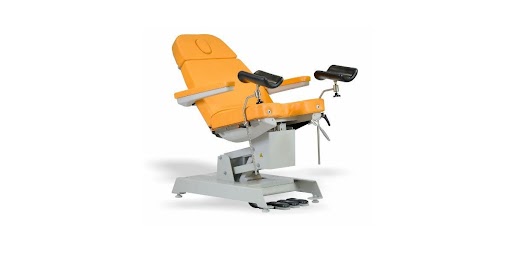
In modern gynecological practices, an examination chair is more than just a seating option; it is a critical instrument that bridges patient comfort and clinical precision. Clinics increasingly recognize that patient trust and practitioner efficiency are directly influenced by the quality of examination furniture. Selecting the right Gynae Examination Chair is a nuanced decision that balances ergonomics, safety, hygiene, and adaptability. A professional chair not only ensures smooth examination procedures but also enhances patient confidence, reduces operational strain on medical staff, and supports a hygienic environment.
This blog explores the essential features that healthcare facilities should evaluate to make an informed investment in their gynecological services.
Ergonomic Design and Adjustable Features
A chair’s ergonomic design directly impacts both patient comfort and practitioner efficiency. Adjustable features allow for precise positioning, reduce physical strain during examinations, and ensure procedures are conducted safely and smoothly. Evaluating these aspects helps clinics maintain a professional environment while prioritizing patient-centric care.
- Height Adjustability– Chairs should offer smooth vertical adjustments to suit patients of varying heights. This ensures that practitioners maintain proper posture during examinations. Adjustable heights reduce physical strain and improve procedural accuracy.
- Reclining Mechanisms– Multi-angle reclining options allow comfortable positioning for various procedures. Patients experience less discomfort, and examinations proceed more efficiently. Flexible reclining also supports different treatment requirements without additional equipment.
- Leg Support and Footrests– Adjustable leg rests and footrests provide stability and comfort during examinations. Proper positioning prevents patient fatigue and supports accurate diagnostic procedures. Well-designed supports enhance confidence for both patient and practitioner.
- Operator Convenience– Intuitive controls allow healthcare providers to make rapid adjustments effortlessly. Ergonomic designs reduce the risk of repetitive strain injuries. Efficient operation contributes to a smoother clinical workflow and patient satisfaction.
Hygiene and Infection Control Features
Hygiene is a critical consideration in gynecological clinics, as infection prevention protects both patients and staff. Chairs designed with easy-to-clean surfaces, antimicrobial materials, and detachable components simplify sanitation processes. Prioritizing these features ensures compliance with clinical standards while enhancing operational efficiency.
- Seamless Upholstery– Chairs with antimicrobial, waterproof surfaces inhibit bacterial growth. Smooth, seamless designs simplify cleaning and maintenance routines. High-quality upholstery ensures hygiene without compromising comfort.
- Detachable Components– Removable leg rests, arm supports, and cushions allow thorough sanitation between appointments. Easy detachment improves cleaning efficiency and reduces infection risks. This modularity ensures long-term usability and patient safety.
- Easy-to-Clean Controls– Foot pedals and adjustment handles made from disinfectant-resistant materials prevent bacterial accumulation. Cleaning routines become faster and more effective. Sanitation features support compliance with clinical hygiene standards.
- Durable Materials– High-quality metals and synthetics withstand frequent cleaning and daily wear. Chairs maintain integrity over extended use. Durable construction reduces the need for frequent replacements and operational disruption.
Structural Stability and Safety Considerations
Patient safety depends on a chair’s structural integrity and stability. A well-built frame, anti-tip design, and secure locking mechanisms minimize risk during examinations and procedures. Clinics must assess these safety features to maintain trust and ensure reliable, injury-free patient positioning.
- Robust Frame Construction– Heavy-duty steel or reinforced alloys ensure the chair remains stable during examinations. A strong frame prevents wobbling and enhances safety. Reliable construction supports a wide range of patient weights and procedures.
- Anti-Tip Design– Wide bases and low centers of gravity reduce the risk of accidental tipping. Safety features maintain patient confidence during positioning. Anti-tip measures are essential for high-traffic clinics and routine procedures.
- Secure Locking Mechanisms– Adjustable sections, such as backrests and footrests, lock firmly into place. Locking features prevent sudden movement that could cause discomfort or injury. Secure mechanisms ensure procedural precision and patient safety.
- Weight Capacity Compliance– Chairs are engineered to safely accommodate patients of varying sizes. Weight capacity limits prevent structural damage or safety hazards. Ensuring proper support enhances trust and reliability during examinations.
Functional Versatility for Clinical Procedures
Modern gynecological chairs should accommodate multiple clinical needs to optimize workflow. Features like integrated attachments, swivel and rotation options, and accessory compatibility enhance the chair’s utility. Evaluating functional versatility allows clinics to streamline examinations while reducing the need for additional equipment.
- Integrated Examination Features– Chairs can include attachments compatible with diagnostic tools and minor treatments. Integration reduces the need for additional equipment. Multi-purpose chairs streamline clinical procedures efficiently.
- Swivel and Rotation Options– Rotating sections allow practitioners access without repositioning patients repeatedly. Smooth movement improves workflow and reduces physical strain. Flexible rotation enhances procedural precision and patient comfort.
- Multi-Procedure Adaptability– Chairs adaptable for routine exams, screenings, and minor interventions reduce equipment redundancy. Versatile designs save clinic space and minimize operational clutter. Adaptability ensures consistent performance across diverse procedures.
- Accessory Integration– Some models support modular additions like instrument trays or IV poles. Integrated accessories simplify workflow and optimize examination efficiency. The chair becomes a central hub for multiple procedural needs.
Long-Term Durability and Maintenance
Durable materials and reliable mechanical components extend a chair’s lifespan and reduce operational disruptions. Easy maintenance, supported by warranties and service options, ensures consistent performance. Prioritizing durability helps clinics make a cost-effective investment while maintaining a high standard of care.
- High-Quality Upholstery– Synthetic, antimicrobial padding resists wear and tear from daily use. Upholstery is easy to sanitize, supporting clinical hygiene standards. Durable surfaces ensure long-term patient comfort and satisfaction.
- Reliable Mechanical Components– Smooth hydraulic or electric adjustments ensure consistent performance. Mechanisms reduce effort and strain for staff. Dependable components extend the operational lifespan of the chair.
- Warranty and Service Support– Manufacturer-backed warranties and service options safeguard against unexpected malfunctions. Access to support ensures minimal downtime. Clinics gain confidence in the chair’s long-term functionality and reliability.
- Minimal Maintenance Requirements– Chairs designed for low-maintenance operation reduce staff workload. Fewer mechanical issues translate into consistent daily operations. Cost-efficient designs support sustainable clinic management over time.
Conclusion
A professional Gynae Chair is a strategic investment that combines patient comfort, clinical efficiency, and stringent hygiene standards. Evaluating ergonomic design, hygiene features, structural stability, functional versatility, and durability ensures that clinics deliver superior care while optimizing operational efficiency. Selecting a chair with these essential features transforms routine examinations into professional, safe, and comfortable experiences.
Healthcare facilities aiming to modernize their gynecological services and improve patient satisfaction can explore premium solutions from Esthetica Medical Furniture, ensuring advanced, reliable, and patient-centric equipment.