
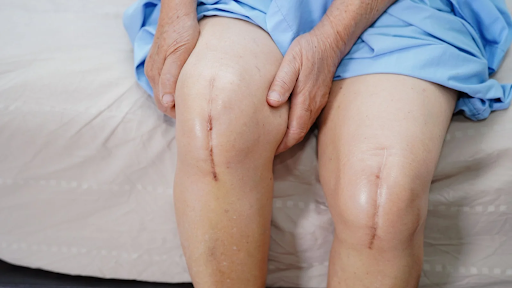
Does your knee hurt every time you climb stairs? Do you find yourself avoiding walks or asking for help with simple daily tasks because of joint pain? If these problems sound familiar, severe arthritis could be affecting your quality of life.
Arthritis can make even small movements uncomfortable. While medicines, exercise, and physiotherapy may help, some people continue to experience pain despite treatment. In such cases, joint replacement surgery may be an option worth discussing with an orthopaedic specialist.
How Do You Know If Arthritis Is Getting Worse?
Have you noticed that your joint pain is becoming more frequent? Perhaps your knees feel stiff in the morning, or standing for a few minutes has become uncomfortable.
Arthritis can damage the cartilage that helps joints move smoothly. As the damage progresses, movement may become painful and stiffness may limit everyday activities.
Some common signs include:
- Pain that returns frequently or continues throughout the day
- Stiffness that makes it difficult to move
- Swelling around the affected joint
- Difficulty walking or climbing stairs
- Joint pain that interrupts sleep
- Trouble carrying out everyday tasks independently
If these symptoms are affecting your routine, consulting an orthopaedic specialist can help you understand the cause and severity of the problem.
When Should You Consider Joint Replacement Surgery?
Does your joint still hurt even after trying different treatments? This is one of the concerns worth discussing with a doctor.
Joint replacement may be recommended when arthritis has severely damaged a joint and other treatment options no longer provide enough relief. A doctor will consider your symptoms, examination findings, imaging results, and general health before suggesting surgery.
People looking for the Best Hospital near Ramanayapeta can consider whether the hospital offers orthopaedic consultations, diagnostic services, surgical care, and support during recovery.
However, surgery is not necessary for everyone with arthritis. The decision should be based on individual medical needs and a discussion of the expected benefits and risks.
Can Arthritis Be Managed Without Surgery?
Before considering joint replacement, have you explored the non-surgical options available to you?
Depending on the condition, treatment may include prescribed medicines, physiotherapy, suitable exercises, weight management where appropriate, or walking aids to reduce pressure on the joint.
These approaches may help manage symptoms and improve movement for some people. However, when pain continues to limit daily activities despite treatment, a specialist may discuss whether surgery could offer better relief.
The right approach depends on the level of joint damage, the patient’s health, and how much the symptoms affect everyday life.
What Happens During Joint Replacement Surgery?
The thought of surgery can feel overwhelming. Knowing what the procedure involves may help you feel more prepared for a conversation with your doctor.
During joint replacement surgery, damaged joint surfaces are replaced with artificial components. Knee and hip replacements are common examples, although the procedure recommended depends on which joint is affected.
Before surgery, the medical team assesses your health, reviews your medical history, and arranges any required tests. This is also the time to ask questions about the procedure, possible complications, pain management, and recovery.
After surgery, physiotherapy and following medical advice are important for improving movement and rebuilding strength. Recovery time varies depending on the individual and the procedure.
What Should You Look for When Choosing a Hospital?
Choosing where to receive treatment involves more than finding a surgeon. You should also consider the diagnostic facilities, available treatment options, surgical support, and rehabilitation services.
When comparing the Best Hospitals in Kakinada, ask whether the care team explains both surgical and non-surgical options. It is also useful to understand what support is available before surgery and during follow-up visits.
Clear communication matters, too. You should feel comfortable asking about the expected results, possible risks, recovery needs, and how soon you may be able to return to your regular activities.
Is It Time to Seek an Orthopaedic Opinion?
You do not need to wait until joint pain becomes unbearable before seeking help. If stiffness, swelling, or pain is affecting your sleep, movement, or independence, an orthopaedic consultation can help you understand the available options.
Joint replacement is usually considered when severe arthritis causes ongoing problems and other treatments are no longer enough. A proper assessment can help you decide whether surgery is suitable for your condition or if another approach may still help.