
Headaches are common and can have many causes, so imaging is not automatically needed for every episode. A doctor usually begins by asking about the pattern: when the headache started, how it feels, how long it lasts, what makes it better or worse, and whether anything else has changed. Medical history, medicines and a physical or neurological examination can also help determine whether further investigation is appropriate.
The decision is based on the whole clinical picture. A headache that follows a familiar pattern may be managed differently from one that is new, changing or accompanied by other concerning features. Patients should describe symptoms accurately and mention any major change rather than trying to decide for themselves whether a scan is necessary.
A doctor may consider further investigation when the history or examination suggests that a secondary cause needs to be excluded. Examples can include a sudden or unusual change in headache pattern, headache after significant injury, or symptoms that suggest another neurological problem. The importance of any feature depends on the person’s age, health history and examination, so general lists cannot replace a clinical assessment.
The clinician may also consider whether the headache occurs with fever, systemic illness, pregnancy or the period after pregnancy, cancer history, immune problems, or other medical circumstances that can change the assessment. These details do not mean a dangerous cause is present, but they can influence how urgently a person is examined and whether testing is appropriate. The doctor decides how much weight each factor deserves rather than using one symptom in isolation.
If a headache is severe or accompanied by symptoms that feel urgent or rapidly worsening, seeking prompt medical assessment is more appropriate than waiting to arrange routine medical imaging services. The treating team can then decide what type of evaluation is needed and how quickly it should happen.
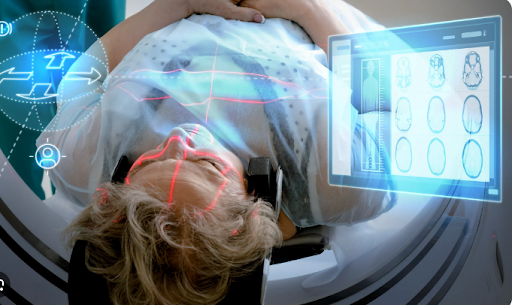
When imaging is recommended, the doctor is usually trying to investigate a particular possibility rather than simply ‘look for everything’. CT and MRI provide different kinds of information and may be used in different circumstances. The selected examination depends on the suspected cause, urgency, the patient’s circumstances and what detail is required.
Medical imaging services may ask additional safety or preparation questions before the appointment. Patients should follow the provider’s instructions and mention relevant implants, previous imaging or other information requested by staff. The imaging team can then perform the examination in a way that is suited to the referral.
A scan result is one piece of the headache assessment. A normal study may help exclude certain structural causes, but it does not mean the headache is imaginary or that no treatment is needed. An abnormal finding also needs context because not every visible change explains the symptoms.
It is also possible for headache symptoms to continue even when imaging does not identify a structural explanation. In that situation, the next step may focus on the headache pattern, triggers, medicines or another clinical pathway rather than repeated scans. Further imaging is usually guided by a new question or a meaningful change in the clinical picture. Patients should seek reassessment if symptoms evolve instead of assuming that an older scan answers every future episode.
Keeping a brief headache record can also help the consultation by showing timing, frequency, associated symptoms and changes from the person’s usual pattern.
The referring doctor reviews the report alongside the original history and examination. Medical imaging services can clarify structural questions, while follow-up determines what the result means for management. Patients should return for that discussion rather than relying on the report wording alone. The aim of further investigation is to answer a justified clinical question and guide the next step, not to use scanning as a routine response to every headache.