
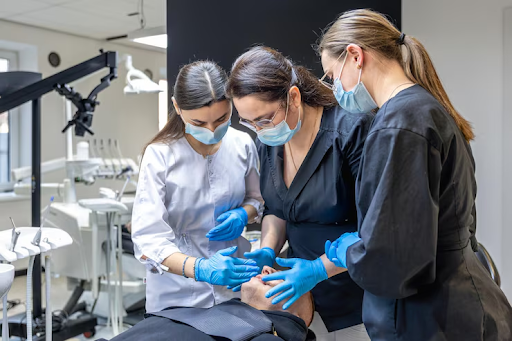
Dentistry has always been a science, but the scope of that science is widening. Research linking oral health to systemic conditions — from cardiovascular disease to hormonal disruption — has prompted a meaningful rethink of what dental practitioners should know, and how they should be trained. This has brought biological dentistry training to the forefront of continuing professional education for an increasing number of dentists worldwide.
But what does this training actually involve? Who benefits from it? And what distinguishes it from conventional dental education? This article explores those questions in depth.
What Sets Biological Dentistry Apart from Conventional Practice
Conventional dental training prepares practitioners to diagnose and treat conditions of the teeth, gums, and jaw. Biological dentistry does all of that — but adds a layer of inquiry into the materials, methods, and systemic effects involved in those treatments.
A biologically trained dentist asks different questions. Rather than defaulting to the most widely used material, they assess biocompatibility for the individual patient. Rather than treating a chronic oral infection in isolation, they consider its potential connection to broader inflammatory conditions. Rather than dismissing a patient’s concern about a procedure, they engage with the evidence around it.
This expanded frame of reference is what biological dentistry training equips practitioners to adopt — and it requires a curriculum that goes well beyond what most dental schools cover.
Core Curriculum Areas in Biological Dentistry Training
Comprehensive biological dentistry training typically spans several interconnected subject areas:
- Toxicology and Material Science: Understanding how dental materials interact with human biology, including the systemic effects of heavy metals, plasticizers, and adhesives. This includes mercury amalgam, BPA-containing composites, and the science behind identifying truly biocompatible alternatives.
- Safe Amalgam Removal: One of the most clinically significant components, covering protocols developed to protect patients, practitioners, and clinical staff during the removal of mercury amalgam restorations. The Huggins Protocol and SMART (Safe Mercury Amalgam Removal Technique) are two well-known frameworks within this area.
- Oral-Systemic Connections: Training in the evidence linking periodontal inflammation, endodontic infections, and dental focal infections to systemic health outcomes. This includes cardiovascular implications, metabolic links, and immune system involvement.
- Ozone Therapy and Laser Dentistry: Adjunctive technologies used in biological practice for infection management, tissue healing, and minimally invasive treatment.
- Nutritional Dentistry: The role of diet and nutritional deficiency in conditions such as caries, gingival inflammation, and bone loss — and how nutritional counseling can be integrated into dental care.
- Patient-Centered Communication: The skills needed to discuss complex, sometimes controversial topics — such as root canal risks or fluoride use — in a way that is balanced, evidence-informed, and respectful of patient autonomy.
Who Should Pursue Biological Dentistry Training?
- Biological dentistry training is relevant across a wide range of dental professionals:
- General Dentists seeking to expand their understanding of health-centered practice and attract patients who prioritize integrative care. For many general practitioners, biological training provides a meaningful differentiator in competitive markets.
- Periodontists and Endodontists who want to understand the systemic implications of their work and integrate biological protocols into treatment planning.
- Holistic or Integrative Health Practitioners who want to formalize their biological approach with structured, evidence-based training and recognized credentials.
- Dental Students and Recent Graduates who recognize that patient expectations are evolving and want to be prepared for a practice environment that will increasingly demand biological literacy.
Selecting the Right Training Program
Not all training programs claiming a biological focus offer the same depth or credibility. When evaluating biological dentistry training options, practitioners should consider:
- Whether the curriculum is grounded in peer-reviewed science rather than fringe or unverified claims
- The qualifications and clinical experience of the instructors
- Whether the program is recognized by professional bodies or a credentialing institute
- The balance between theoretical instruction and clinical application
- Ongoing access to updated materials as research evolves
Programs affiliated with globally recognized educational standards tend to offer the most robust preparation for biological dental practice.
It is also worth considering whether a program offers peer interaction, forums, case discussion groups, or live sessions, alongside self-paced content. Biological dentistry often involves nuanced clinical judgment, and exposure to how other practitioners think through complex cases is a form of learning that no static module can replicate. Peer learning accelerates the development of clinical confidence, particularly for practitioners working in areas where biological dental colleagues are few. Additionally, a program that provides access to updated research summaries, clinical guidelines, and protocol revisions after completion ensures that practitioners are not limited to the knowledge available at the time they enrolled.
Conclusion
As patient awareness grows and research deepens the understanding of oral-systemic health, biological dentistry training is transitioning from a niche interest to a professional necessity. For dentists committed to evidence-based, patient-centered care, this training provides both the scientific foundation and the clinical tools to meet that demand — and to practice in a way that genuinely reflects the complexity of human health.