
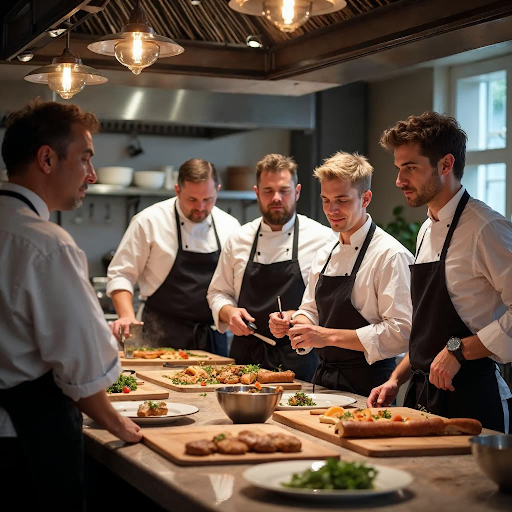
Every week, you go to the grocery store and guess what you need. Because you don’t have time to look into the dark corners of your pantry at your restaurant, you buy extra boxes of pasta, fresh vegetables, and milk just in case.
By the weekend, you find out you already had three boxes of pasta hidden in the back, and those new vegetables have turned into mush. You throw them straight into the garbage.
This is exactly how traditional restaurant inventory management works. It is chaotic, exhausting, and incredibly expensive.
Today, smart restaurant technology solutions are replacing the dusty clipboard with automated data. Let’s look at how technology is turning messy storage rooms into highly optimized, profit-saving engines.
Why Food Waste Is High (Even with Basic Tracking)
Many kitchens try to manage their supplies using basic spreadsheets. Yet, 30-40% of food is wasted in commercial kitchens, making it one of the highest hidden costs in the industry. Why is this number so high despite basic tracking? Because old-school methods only tell you what you bought, not what you actually used or wasted.
True restaurant inventory optimization means knowing the exact life cycle of every ingredient in real-time.
1. From Manual Checklists to Automated Tracking
- The Old Way: Manual restaurant inventory control meant counting every single tomato, steak, and cheese block by hand at midnight. It took hours, and tired employees often made mistakes.
- The New Way: Modern inventory tracking for restaurants uses touchless AI scanners. Before any food is thrown out or prepped, staff place it under an intelligent camera system for two seconds. The software automatically logs the exact weight and type of food.
- The Benefit: You move from slow, error-prone manual labor to continuous, effortless accuracy.
2. Eliminating Overproduction to Below 10%
When a restaurant doesn’t have smart foodservice inventory management, chefs cook massive batches of food out of fear of running out. This overproduction is a massive profit killer.
Inventory optimization software studies your kitchen’s real historical habits. If the system knows you throw away half a pan of lasagna every Tuesday night, it alerts the kitchen to prep less. By matching your inventory orders with actual consumption data, kitchens can eliminate overproduction to below 10%
3. Turning Leftover Stock into Direct Savings
In the restaurant business, profit margins are razor-thin. If you can lower your ingredient costs by even a small fraction, your business becomes significantly more stable.
Using data-driven food inventory management ensures you only order exactly what your guests will consume. Thispproach leads to 2–8% food cost savings. Because you stop watching your budget get thrown into the trash bin, platforms like Metafoodx deliver an incredible average of 5-11x ROI for their users.
4. Effortless Management for Multi-Unit Groups
If managing one kitchen pantry is hard, imagine managing ten of them across different cities. For multi-unit brands, keeping restaurant stock management consistent is a nightmare.
Modern restaurant inventory software connects all your locations to a single, cloud-based dashboard. A corporate chef or owner can see exactly which location is wasting the most steak, which cafe is running low on milk, and how to balance supplies across the entire company without picking up the phone.
5. Seamless Connections to Restaurant Operations Management
Your inventory shouldn’t live in a bubble. It needs to talk to your menu planning, your financial trackers, and your daily kitchen workflows.
A modern optimization platform integrates directly with your wider restaurant operations management systems. The moment data is scanned, the whole ecosystem updates. This keeps your entire team aligned, eliminates middle-of-the-night spreadsheet math, and reduces stress for the kitchen staff.
The Master Plan for a Smarter Kitchen
| Manual Inventory Tracking | Tech-Driven Inventory Optimization |
| Hand-written clipboards at midnight | 2-second automated AI scanning |
| Guessing future orders based on instinct | Data-backed forecasting that cuts overproduction |
| Hidden waste that eats profit margins | Clear 2–8% food cost savings |
Ready to Optimize Your Kitchen?
Running a restaurant without optimized inventory data is like running a race with your shoes tied together. By bringing automation into your storage rooms and prep stations, you can protect your hard-earned profits, make your team’s life easier, and stop wasting valuable food.
If you are ready to see how simple, automated tracking can change your bottom line, head over to Metafoodx and see how our technology transforms daily operations for commercial kitchens.