
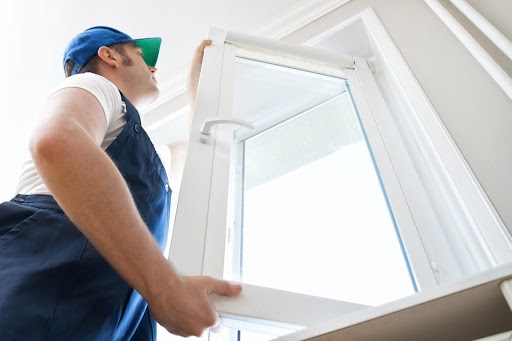
Old windows can quietly drain warmth and let noise creep into your home. Replacing them brings a noticeable shift in comfort, from steadier indoor temperatures to calmer living spaces. Learn how modern window solutions reduce energy loss and soften outside sounds, helping create a home that feels warmer, quieter, and more efficient every day.
If your home feels cold in winter, warm in summer, or constantly disturbed by outside noise, your windows may be part of the problem. Many properties lose a surprising amount of heat through ageing or poorly fitted windows. Others allow traffic, voices, or street sounds to travel straight indoors. Choosing a professional provider such as Montrose Glass at the very beginning of your window replacement journey can help address both concerns in a single upgrade.
Modern windows are designed to control heat flow and sound movement more effectively than older styles. When installed correctly, they help stabilise indoor temperatures and reduce unwanted noise. This makes everyday living more comfortable while also supporting long-term energy savings.
How Energy Efficiency Affects Comfort and Costs
Energy efficiency refers to how well a home keeps heat inside during colder months and outside during warmer periods. Windows play a key role because glass is naturally less insulating than walls. Older single-glazed windows allow heat to escape easily, which means heating systems must work harder.
Modern replacement windows use improved designs to reduce heat loss. These designs focus on limiting heat transfer, which is the movement of warmth from inside to outside. When heat transfer is reduced, rooms stay comfortable for longer with less energy use.
Research in the UK housing sector has consistently shown that upgrading inefficient windows can cut household heat loss by a noticeable margin. This reduction supports lower energy consumption and can help reduce heating costs over time.
The Role of Modern Glazing in Heat Retention
Modern glazing solutions rely on layered construction rather than a single sheet of glass. Double or triple glazing uses two or three panes with a sealed gap in between. This gap acts as a barrier that slows heat movement.
What makes these layers effective?
The space between panes is often filled with air or gas, which is a poor conductor of heat. This slows down heat loss without blocking natural light. The result is a window that feels warmer to the touch and keeps indoor temperatures more stable.
Some glazing also includes a special coating that reflects heat back into the room. This coating is thin, invisible, and designed to improve insulation without affecting visibility.
Where Comfort Is Often Lost: Frames and Seals
Glass is only part of the picture. Frames and seals matter just as much. Poorly sealed windows allow draughts, which are small air leaks that let cold air in and warm air out. Even small gaps can reduce efficiency significantly.
Modern window frames are designed to fit tightly and support strong seals. Materials are chosen for durability and resistance to temperature changes. When frames and seals work together, they reduce air leakage and help maintain consistent indoor conditions.
Noise Reduction: Why Old Windows Struggle
Sound travels through vibrations. When noise hits a window, those vibrations pass through the glass and into the room. Thin, single-pane windows offer little resistance, so outside noise enters easily.
Replacing old windows introduces thicker glass and layered structures that interrupt sound movement. This does not eliminate noise entirely, but it can reduce its volume and sharpness.
Noise reduction is particularly noticeable with consistent background sounds. By limiting how much sound energy passes through the window, modern glazing creates a calmer indoor environment.
How Window Replacement Reduces Sound Transfer
Sound reduction depends on mass and separation. Heavier glass vibrates less, and multiple layers break up sound waves. The sealed gap between panes also plays a role by absorbing some sound energy before it reaches the interior.
Why spacing matters
The distance between panes helps disrupt sound frequencies. Wider gaps are often more effective at reducing everyday noise levels. Combined with proper installation, this design can noticeably soften outside sounds without making rooms feel closed off.
In the middle of your home improvement planning, working with Montrose Glass can help ensure glazing choices are aligned with both energy and noise goals, rather than focusing on one benefit alone.
Energy Savings and Comfort Benefits Combined
Energy efficiency and noise reduction often improve together. Better insulation reduces temperature swings, while sound control improves mental comfort. Together, these changes support a more balanced indoor environment.
Homes with efficient windows often feel warmer near the glass during winter and cooler during summer. This reduces the need for constant heating or cooling adjustments. At the same time, quieter rooms support concentration, relaxation, and better rest.
Practical Tips to Maximise Performance
After understanding how replacement windows work, it helps to focus on practical decisions that improve results. Consider the following tips carefully after reviewing your needs:
- Choose glazing with multiple panes rather than single glass.
- Ensure window frames are well-fitted and properly sealed.
- Ask about coatings that reflect heat back into the room.
- Consider sound reduction needs alongside thermal performance.
- Prioritise professional installation to avoid gaps or misalignment.
These steps support both efficiency and comfort without adding unnecessary complexity.
Installation Quality Matters More Than Many Realise
Even the best window design can underperform if installation is poor. Gaps, uneven frames, or weak seals can undo many benefits. Correct installation ensures that windows sit securely and perform as intended.
Professional fitting reduces the risk of air leaks and helps maintain consistent performance over time. It also supports long-term durability, which means fewer adjustments or repairs later.
Common Questions Homeowners Often Consider
Many homeowners wonder whether window replacement is worth the investment. While individual results vary, improved insulation and noise control are widely recognised benefits. Over time, these improvements can support lower energy use and a more pleasant living space.
Others ask whether replacement changes the look of a home. Modern designs are available in a wide range of styles, allowing upgrades without compromising appearance.
A Balanced Approach to Home Comfort
Window replacement is not just about saving energy or blocking noise in isolation. It is about creating balance. Comfortable temperatures, reduced outside distractions, and steady indoor conditions all contribute to better everyday living.
When windows perform well, other systems in the home, such as heating, also work more efficiently. This creates a cycle of comfort and efficiency that supports both short-term enjoyment and long-term value.
Frequently Asked Questions (FAQ)
1. How can I tell if my windows need replacing?
Windows may need replacing if you notice drafts, condensation, or noticeable heat loss. Other signs include increasing energy bills or visible damage like cracked or warped frames. If your windows are older or single-glazed, it might be time to consider an upgrade to improve both energy efficiency and comfort.
2. How does window replacement improve energy efficiency?
Modern windows use advanced glazing and insulated frames that limit heat transfer. This means less energy is lost in the winter and less heat enters during summer. The result? A more stable indoor temperature and lower heating or cooling costs.
3. Will new windows reduce outside noise?
Yes, modern windows with double or triple glazing are designed to reduce sound transfer significantly. The additional panes and the gap between them act as barriers, absorbing sound waves and creating a quieter indoor environment.
4. Can window replacement improve my home’s value?
Absolutely! New windows can increase the curb appeal of your home and make it more energy-efficient, which can be an attractive feature for potential buyers. In addition, high-quality windows can reduce maintenance costs, adding long-term value to your property.
5. How long do new windows last?
Modern windows, especially those made from durable materials like vinyl or fiberglass, can last up to 20-30 years with proper maintenance. High-quality installation and care will ensure their longevity and efficiency.
6. Is window replacement a costly investment?
While the initial cost can vary based on materials, style, and the size of your home, window replacement is a long-term investment that saves on energy bills and increases comfort. It’s also a cost-effective way to enhance your home’s value.
Final thoughts
Upgrading windows is one of the most effective ways to improve both energy efficiency and noise reduction in a home. With modern glazing, strong frames, and proper installation, homeowners can enjoy quieter rooms and more stable temperatures throughout the year. Choosing a trusted specialist like Montrose Glass at the final stage of decision-making helps ensure that these benefits are delivered consistently and reliably.
A thoughtful window replacement does not just change how a home looks. It changes how it feels, day after day.