
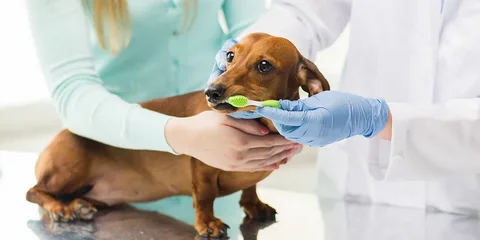
Oral health has steadily moved from being a secondary concern to a central pillar of preventive veterinary care. As companion animals live longer and receive more attentive medical oversight, the condition of their teeth and gums is now understood to influence overall well-being, comfort, and longevity. Dental care today is no longer limited to visible cleaning but involves structured evaluation, risk assessment, and long-term planning.
Within modern veterinary practice, oral care reflects a blend of clinical precision and everyday management. It connects diagnostics, treatment protocols, and owner education into a cohesive system that supports animal health beyond the mouth. Discussions around pets’ dental care increasingly focus on how early intervention and consistency reduce complex health issues later in life, shaping a more proactive approach to companion animal medicine.
The Role of Oral Health in Preventive Veterinary Medicine
Dental health directly affects multiple biological systems in companion animals, making it a foundational aspect of preventive care. Plaque buildup, gingival inflammation, and untreated periodontal disease can lead to chronic pain, reduced appetite, and systemic infections. Veterinary dentistry addresses these risks before they escalate into conditions that affect organs such as the heart, liver, or kidneys.
Modern preventive models integrate dental assessments into routine wellness exams. This allows veterinarians to identify subtle changes in gum color, tooth alignment, or breath odor that may signal early disease. Addressing these indicators early reduces the need for invasive procedures and supports sustained health outcomes over time.
Understanding Common Dental Conditions in Pets
Dental conditions in pets are often progressive, beginning with plaque accumulation and advancing toward more serious pathology if left unmanaged. Periodontal disease remains one of the most frequently diagnosed conditions in adult dogs and cats. It develops silently, often without obvious behavioral changes, until discomfort becomes significant.
Other common issues include tooth resorption in cats, fractured teeth from chewing hard objects, and malocclusion affecting bite function. Veterinary professionals emphasize regular monitoring because many dental problems are not visible without proper examination tools. Early diagnosis allows for targeted intervention rather than broad corrective treatment.
Plaque and Tartar Development
Plaque forms naturally as bacteria adhere to tooth surfaces, combining with food particles and saliva. When not removed, it mineralizes into tartar, which irritates the gums and creates an environment for bacterial growth. This process occurs faster in certain breeds and with age, making routine assessment essential.
Gingivitis and Periodontal Disease
Gingivitis represents the early, reversible stage of gum inflammation. If untreated, it progresses into periodontal disease, where the supporting structures of the teeth begin to deteriorate. This stage is often painful and may lead to tooth loss, highlighting the importance of early dental intervention.
Tooth Fractures and Structural Damage
Chewing hard materials or trauma can result in cracked or fractured teeth. These injuries expose sensitive inner structures, increasing infection risk. Veterinary dental care focuses on preserving tooth function where possible or safely extracting compromised teeth when necessary.
Diagnostic Approaches in Veterinary Dentistry
Accurate diagnosis forms the basis of effective dental treatment. Veterinary dentistry relies on both visual examination and diagnostic imaging to assess oral health comprehensively. Anesthesia is often required to conduct thorough evaluations, allowing safe and detailed inspection of areas not visible in conscious animals.
Dental radiography plays a critical role in identifying issues below the gum line. Many dental diseases affect roots and bone structures long before surface changes appear. Incorporating imaging into dental assessments ensures conditions are treated based on complete clinical insight rather than external symptoms alone.
Professional Dental Cleaning and Treatment Protocols
Professional dental cleaning involves more than cosmetic scaling. It is a structured procedure that removes plaque and tartar from above and below the gum line, followed by polishing to reduce future bacterial adherence. These steps are performed under controlled conditions to ensure safety and effectiveness.
Treatment protocols may also include addressing infected tissues, performing extractions when teeth cannot be saved, and applying protective treatments to reduce sensitivity. Each procedure is tailored to the animal’s age, health status, and severity of dental disease, reinforcing individualized care planning.
Pre-Procedure Health Assessment
Before dental procedures, veterinarians conduct comprehensive health evaluations. Blood tests and physical exams help determine anesthesia suitability and identify underlying conditions. This preparation minimizes procedural risks and supports safer outcomes for pets undergoing dental treatment.
Scaling, Polishing, and Subgingival Care
Scaling removes hardened deposits, while polishing smooths tooth surfaces to slow plaque formation. Subgingival cleaning is particularly important, as bacteria below the gum line contribute most significantly to periodontal disease. These steps collectively restore oral health balance.
Post-Treatment Monitoring and Recovery
Following dental procedures, pets are monitored for recovery and comfort. Pain management and follow-up guidance help ensure healing progresses smoothly. Owners receive instructions on diet, activity, and home care to support recovery and maintain results.
Home Dental Care as a Long-Term Strategy
Professional dental care achieves immediate results, but long-term success depends heavily on home maintenance. Daily or regular brushing remains the most effective preventive measure. Veterinary professionals recommend pet-specific toothpaste and gradual acclimation to brushing routines.
Additional tools such as dental chews, water additives, and specialized diets support oral hygiene when used appropriately. Home care strategies are most effective when selected based on individual needs rather than generalized trends, reinforcing collaboration between veterinarians and pet owners.
Final Thoughts on Responsible Dental Care for Pets
Modern veterinary dentistry reflects a shift toward preventive, evidence-based care that prioritizes comfort and long-term health. Structured evaluations, professional treatment, and consistent home care together form the foundation of effective oral health management. Awareness and education remain central to reducing the prevalence of advanced dental disease.
Within this framework, access to a well-equipped pets dental clinic in Dubai plays an important role in supporting pet owners with reliable diagnostics, skilled treatment, and informed guidance. Clinics such as Pet Point Veterinary Clinic contribute to this ecosystem by offering dental services aligned with broader wellness care, helping ensure that oral health remains an integral part of responsible companion animal management.