
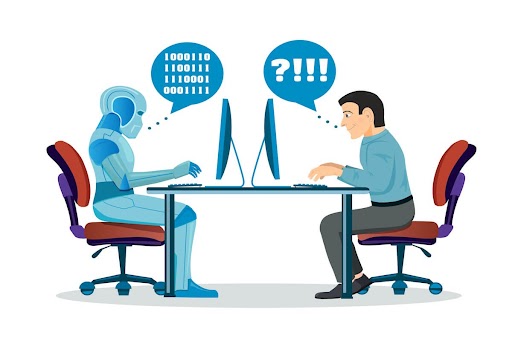
AI isn’t just one job anymore. It’s a whole collection of roles, skills, and responsibilities that keep splitting into more specialized lanes. Two of the most common titles floating around today are Prompt Engineer and AI Developer. Sounds similar on the surface, right? But the work they do couldn’t be more different.
If you’re looking to break into AI, build a team, or hire the right expert, it’s important to understand what each role brings to the table — and where they don’t overlap.
Let’s break it down.
So, What Does a Prompt Engineer Actually Do?
Think of prompt engineers as the translators between humans and large AI models like GPT. They don’t code the models. They don’t build AI systems from scratch. Instead, they figure out how to get the best results out of an AI by asking it the right things, in the right way.
They experiment with different questions, instructions, or formats — called “prompts” — to get more accurate or useful answers. This role came out of nowhere, honestly. A few years ago, it didn’t even exist. But as language models got stronger, people realized that how you talk to them changes everything.
A prompt engineer’s typical tasks might include:
- Crafting detailed prompts for chatbots or internal AI tools
- Testing different phrasing or formatting styles
- Reducing model errors or irrelevant outputs
- Tuning results for specific use cases (legal, marketing, customer support, etc.)
- Writing prompt templates others can reuse in the company
It’s less technical, more creative. Almost like writing, mixed with logic puzzles.
You don’t need to be a hardcore coder to do this well. Some prompt engineers have backgrounds in philosophy, journalism, or psychology. What matters most is curiosity, critical thinking, and an obsession with making the AI respond better.
What About AI Developers?
AI developers are the people building the tech behind the scenes. They write the code, build models, train algorithms, and put everything into real software products. It’s a technical role, no shortcuts.
They handle:
- Machine learning model development
- Integrating AI into software or apps
- Data preprocessing and training
- Model evaluation and tuning
- Working with frameworks like TensorFlow or PyTorch
- Deploying models into production
They don’t just want results from a model — they create the systems that produce those results. That includes everything from pulling and cleaning data, to training neural networks, to optimizing performance.
This role usually requires a strong background in software engineering, math, and computer science. If you want someone who can build custom solutions from scratch or scale AI across a company, you’ll want to hire AI developers who’ve done this kind of work before.
Prompt Engineer vs. AI Developer: Quick Breakdown
| Feature | Prompt Engineer | AI Developer |
| Background | Non-technical or light technical | Strong technical (CS, ML) |
| Main Tools | Language models (GPT, Claude) | ML frameworks, programming languages |
| Focus | Input/output tuning | Full model development and deployment |
| Coding Skills | Not always required | Absolutely required |
| Creativity vs. Logic | High creativity | High logic and math |
| Common Use Cases | Chatbots, content, internal tools | AI apps, automation, data-driven products |
So yeah, big difference. Both roles are important, but for completely different reasons.
Which One Do You Need?
Here’s the question companies often face: who should you bring in first?
If you’re building a chatbot, automating customer replies, or using AI tools for internal productivity, you might benefit more from a prompt engineer early on. You don’t need to reinvent the wheel — you just need someone who knows how to get more out of existing tools.
But if you’re creating your own AI tools, training models on your data, or integrating deep learning into your core product, a prompt engineer won’t cut it. You need an experienced developer. That’s where a solid ai development service can save you serious time and money.
It all depends on your goals.
Can One Person Be Both?
Technically? Maybe.
But realistically, most professionals lean heavily toward one side. Prompt engineers are usually fast thinkers and good communicators. AI developers often love complex challenges and deep coding work.
Some startups look for hybrids — someone who can write prompts and code. Just be aware that it’s rare to find both skills in one person at the same depth. You might end up with someone who’s decent at both but not excellent at either.
If you’re using an AI Hiring Platform, make sure the job descriptions clearly outline what you’re really looking for. Too many job posts ask for “AI experts” without any idea whether they need a dev, a prompt engineer, or something else entirely.
Common Misunderstandings
Let’s clear up a few things.
“Prompt engineers are just glorified copywriters.” Not true. While it’s a writing-heavy role, prompt engineers need a deep understanding of how models behave. Trial-and-error, prompt chaining, structured thinking — it’s more than just typing nice questions.
“AI developers don’t need to worry about prompts.” Also wrong. Even the best models need proper inputs. Many devs end up writing prompts as part of their projects, especially in teams that don’t have dedicated prompt engineers.
“Anyone can write a prompt.” Sure, anyone can. But that doesn’t mean it’ll work well. Good prompts make a night-and-day difference in output quality. That’s why companies are now hiring for this role.
Who’s in Demand Right Now?
Both.
Prompt engineers exploded onto the hiring scene thanks to generative AI. But now companies are realizing they need strong back-end support too. The hype around “no-code AI” is fading a bit, and there’s more demand again to hire ai developers who can build reliable systems.
If you’re looking to staff up, here’s what we’re seeing:
- Startups and marketing agencies love prompt engineers
- SaaS companies and enterprise-level businesses go for AI developers
- Tech consultancies usually need both
Many companies turn to a trusted AI Hiring Platform so they don’t have to sift through hundreds of mismatched resumes. These platforms help filter talent by skillset, past work, and fit — which is critical when the roles are so different.
Final Thoughts: Don’t Mix the Two Up
Prompt engineers and AI developers work in the same world, but their jobs barely overlap.
One is all about figuring out how to ask the machine something in the smartest way possible. The other is focused on building the machine so it works right in the first place.
If you’re building AI-driven products, don’t assume one can replace the other. The best teams have both — creative prompt writers who squeeze the most out of models, and skilled developers who build the systems from the ground up.
Hiring the right role at the right time saves a lot of time, money, and headaches. Be specific. Define your goals. Then decide whether it’s smarter to start with a prompt engineer, an AI developer, or both.