
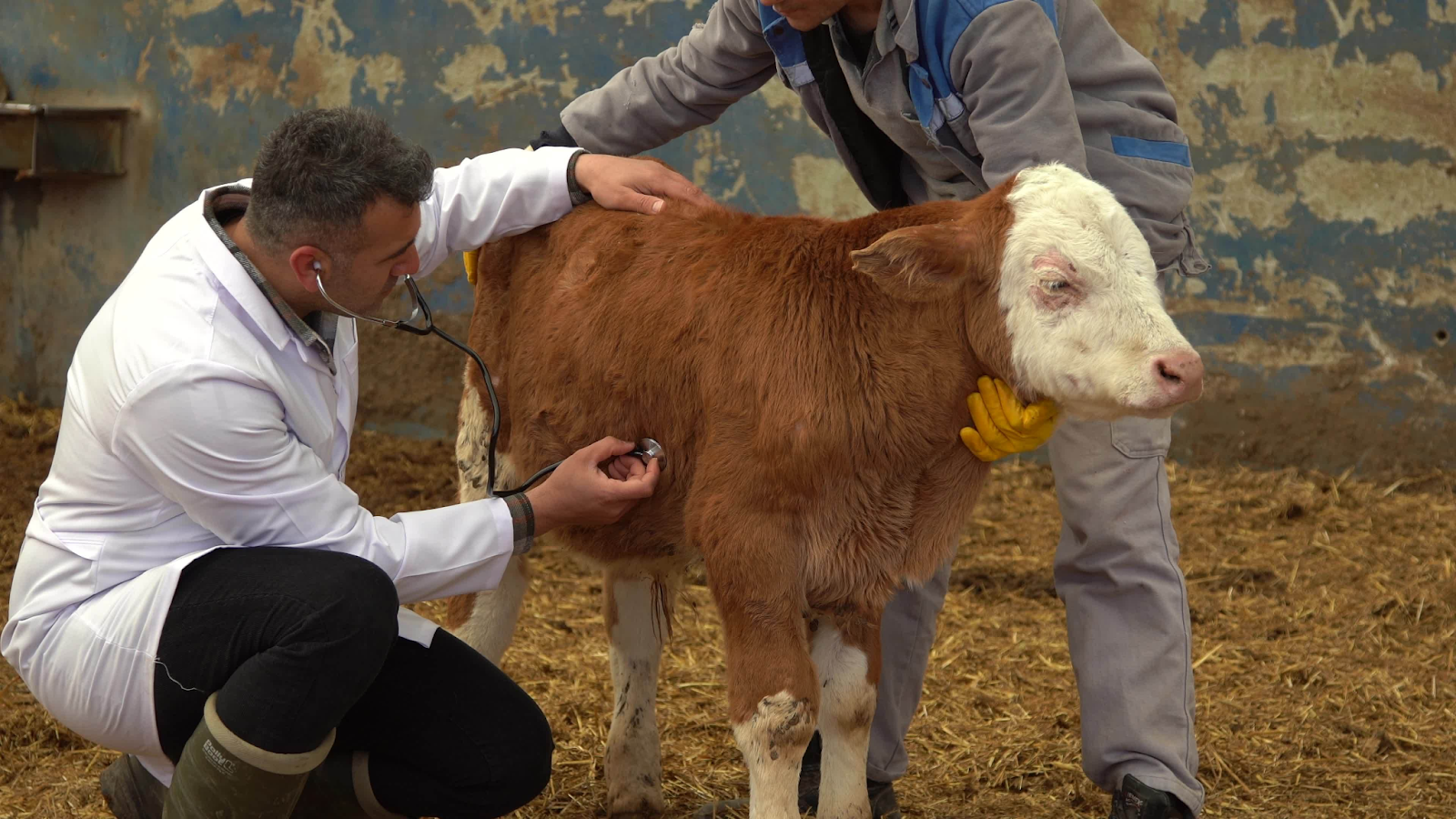
Veterinary pharmaceutical product distribution is an important aspect of the animal health market. It includes manufacturers, distributors, and clinics in a network designed to provide constant access to medications, vaccines, and other healthcare products for a broad set of animals. Rigid rules have characterised this process, the expiry date of products and the urgency of delivery to ensure no hitch in medication. Proper distribution in pharma veterinary is not merely a transportation-related chore but rather the essential foundation of quality animal care and the health of pets and livestock. Therefore, one must have managed the stock correctly to flourish in this business, and this is where inventory optimisation plays its part.
Know the Top Inventory Optimisation Techniques for Distributors
The best management practice is vital to veterinary pharmaceutical distributors, as it ensures a healthy supply chain, product availability, and continued profitability. It is all about the middle ground where there is sufficient product to fulfil the demand, but not too much that it would involve product wastage and blocked capital.
- Implement a First-Expired, First-Out (FEFO) System: This is essential when dealing with goods that have a short storage life, such as medicines and vaccines. It implies that you ship the products that are about to expire first. Also, it reduces wastage due to stock expiration, which is a great financial loss. However, it can be automated by using software that helps to track expiration dates and mark them, such that this is more reliable than manual checks.
- Analyse Sales Data to Forecast Demand: Examining trends, you will determine the surges in prescription demand for specific cases, like flea and tick preventives in warmer seasons or specific vaccines in a particular direction during particular seasons. This kind of data feedback will help you make wiser purchases, avoiding over-stocking products that will go unused or under-stocking the products that customers need most.
- Establish Safety Stock and Reorder Points: So as not to be out of stock on the most important goods, establish a safety stock coverage of each product. This is some spare stock that you have stored up, but which you use to protect yourself against demand or supply chain breakdown. Also, put definite reorder points for the lowest possible amount of a certain product before ordering a new supply. However, this ensures that no one is out of stock and there are no rush orders.
- Regularly Conduct Cycle Counts: Avoid one huge inventory count per year and do smaller, more frequent counts in various parts of your inventory. Moreover, this is referred to as cycle counting. You will also be able to count a couple of items daily or every couple of days, and simultaneously note any differences quickly. As well as identify the source of the issue, which may be theft or damage, and manage an accurate inventory record.
- Consolidate Orders and Build Supplier Relationships: Work on getting all of your purchases consolidated instead of placing smaller orders to many of the vendors. Also, when larger or less frequent orders are made with the same distributor, they often can negotiate lower shipping costs and overall better terms by doing so. Establishing a close rapport with your suppliers can also enable you to enjoy promotions, shorter lead times and assistance.
Final Words
To sum up, distributors should review and revise their inventory practices to stay competitive. An assessment can identify weak areas, such as overstocking, which causes expired inventory, or understocking, all of which results in lost sales. It is a good step by veterinary products manufacturers in Nagaland to establish a new facility. Such analyses enable improving ordering patterns and product placements, and introduce new technologies, optimising their operations.